Winter Lawn Care Tips for Georgia
Your warm-season grass is dormant, but your lawn still needs attention. Winter weed control and smart practices now pay off when spring arrives.
Winter lawn care in Middle Georgia is about protecting dormant grass, not greening it up. Bermuda, zoysia, and centipede turn brown and stay alive at the root. Skip fertilizer, water deeply once every 2 to 3 weeks in dry spells, spot treat henbit and chickweed above 50 degrees, and stay off frozen blades. We also use winter for soil testing and lime.
Dormancy Is Normal, Not Death
When bermuda, zoysia, and centipede go dormant in Middle Georgia, they turn brown. This is completely normal and not a sign of disease or death. Dormant grass is still alive at the root level. The biggest mistake homeowners make is over-watering dormant lawns or applying fertilizer in an attempt to green them up. Both waste resources and can cause real problems.
Dormancy is your lawn's survival strategy. When soil temperatures drop below 55 degrees and stay there, warm-season grasses shut down above-ground growth and redirect energy to their root systems. The brown color you see is the blade tissue dying back on purpose. Underground, the stolons, rhizomes, and root structure are very much alive and waiting for spring.
We get calls every December from homeowners in Macon and Warner Robins worried their lawn is dead. In almost every case, it is perfectly healthy and doing exactly what it should. The key is leaving it alone. No fertilizer, minimal water, and reduced foot traffic. Your lawn will wake up on its own schedule once soil temperatures rise in spring.
Do not fertilize dormant warm-season grass. It cannot absorb nutrients while dormant.
Reduce watering significantly but do not stop entirely. One deep watering every 2 to 3 weeks during dry spells prevents root desiccation.
Avoid heavy foot traffic on dormant lawns. Frozen grass blades snap and damage the crown.
Winter Weed Control
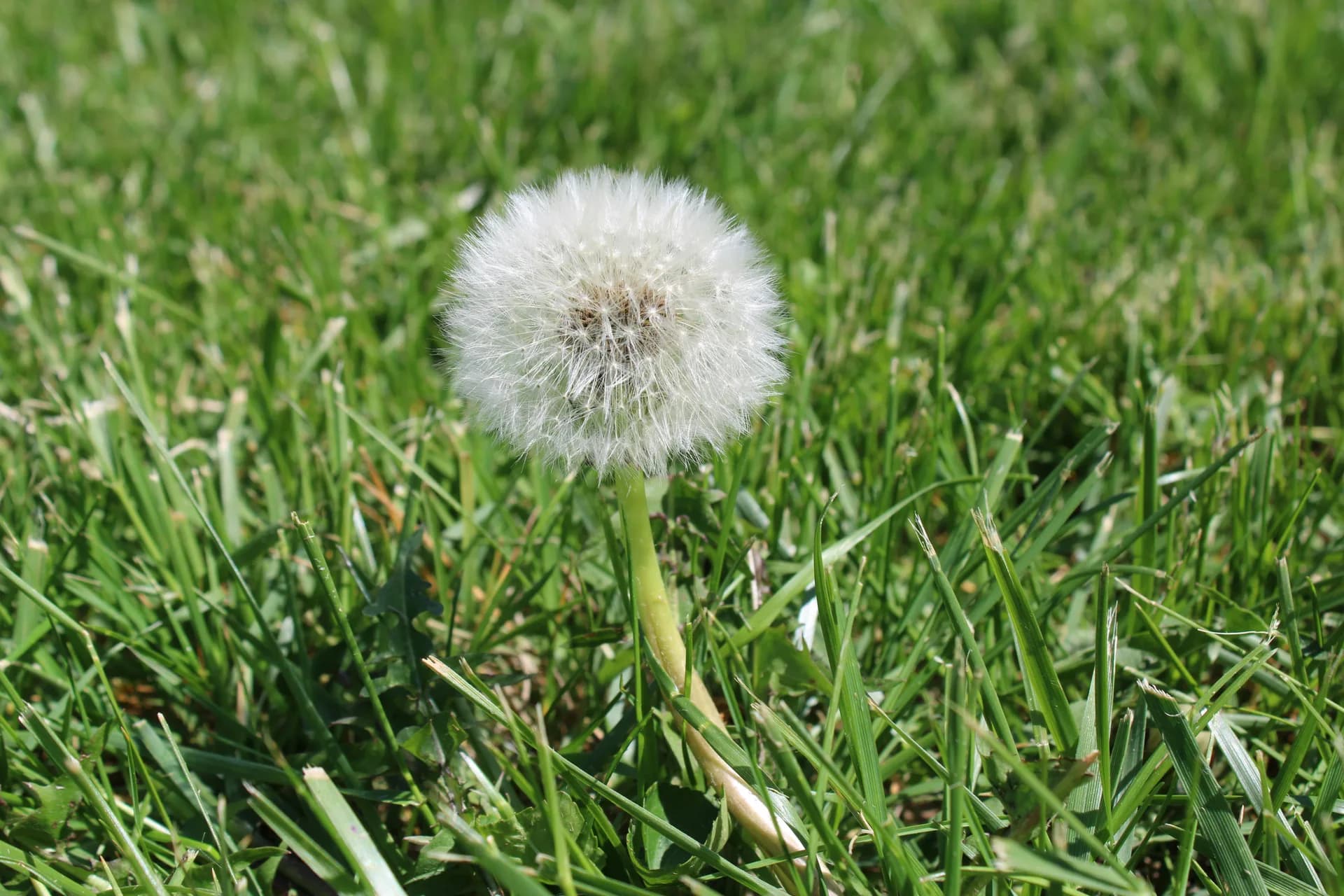
If you missed the fall pre-emergent window, winter weeds are already germinating. Post-emergent spot treatments can knock back active winter weeds like henbit, chickweed, and poa annua. Apply on days when temperatures are above 50 degrees for best herbicide activity. A second pre-emergent application in January can still catch late-germinating cool-season weeds.
Winter weeds are a bigger deal than most homeowners realize. While your bermuda or zoysia is dormant and brown, these cool-season invaders are actively growing, setting seed, and building root systems. Henbit, annual bluegrass, and chickweed all thrive when your warm-season grass cannot compete. If you let them go to seed, you are planting next year's weed crop right now.
Post-emergent applications work best on calm days with temperatures between 50 and 65 degrees. Wind carries spray off target, and cold temperatures slow herbicide uptake. In Middle Georgia, you usually get 2 to 3 good spray windows per month during winter. Hit the weeds during those windows and you will have a much cleaner lawn come spring.
Watch for Large Patch Development
Large patch disease actually starts in fall and continues through winter when soil temperatures are between 50 and 70 degrees. If you notice expanding circular patches of thinning or yellowing grass at the edges, large patch may be the culprit. Fungicide applications in late fall and early winter can slow the spread. Avoid excess nitrogen in fall, which feeds the fungus.
Large patch is tricky because the damage happens during the cool months but does not show its full impact until spring green-up. You might see slightly thin areas during winter, then in April those areas stay brown while the rest of the lawn greens up. By that point, the infection cycle is over and you are left dealing with the aftermath. Preventive fungicide in October and November is far more effective than reactive treatment in spring.
Winter Watering Guidelines
Dormant lawns still need some water during dry winter stretches. Middle Georgia winters can go 2 to 3 weeks without meaningful rainfall. Even though the grass is not actively growing, the root system and crown tissue need moisture to stay alive. One deep watering every 2 to 3 weeks during dry periods is usually enough.
Do not water if temperatures are expected to drop below freezing within 24 hours. Wet soil freezes harder and can damage grass crowns. Water in the morning on days when temperatures will stay above 40 degrees. The goal is not to keep the lawn green. You are just preventing the root system from drying out completely during extended dry spells.
Mowing and Traffic During Winter
Your lawn should have been mowed to its lowest recommended height during the final fall mowing. During winter, you should not need to mow at all unless winter weeds are growing tall enough to look unsightly. If you do mow, wait until afternoon when any frost has melted and the ground is not frozen.
Foot traffic on dormant lawns is a bigger deal than most people think. Frozen grass blades are brittle. Walking on frosted turf literally snaps the blades at the crown, creating visible footprint trails of dead tissue. These paths show up as brown lines when the rest of the lawn greens up in spring. Keep foot traffic to sidewalks and paths during cold mornings.
Soil Testing and Lime Applications
Winter is an excellent time to get a soil test done. The University of Georgia extension office processes soil samples, and results take about 2 weeks. A soil test tells you exactly what your lawn needs before the spring growing season begins. No guessing, no wasting money on products your soil does not need.
If your soil test shows low pH (which is common in Middle Georgia's naturally acidic clay), a winter lime application gives the product time to work before spring. Lime takes 2 to 3 months to adjust soil pH. Applying in January or February means your soil pH will be closer to the ideal range by the time bermuda and zoysia start actively growing in April.
Plan Ahead for Spring
Winter is the best time to plan your spring lawn care strategy. Review what worked last year and what did not. Schedule your pre-emergent application window. If your lawn has chronic bare spots or drainage issues, winter is the time to address grading, irrigation repairs, or soil amendments before the growing season starts.
Make a list of problem areas: bare spots that never filled in, areas that stayed wet after rain, sections where weeds dominated. Each of these has a specific fix, and most are easier to address before the lawn starts actively growing. Irrigation system repairs, grading work, and sod installation all go smoother when the lawn is dormant.
If you need professional help getting your lawn ready for spring, we serve Macon, Warner Robins, Byron, Bonaire, Centerville, Kathleen, and Bolingbroke. Our core program handles weed control and fertilization, with add-ons for disease control, insect control, and soil conditioning. Get a quote before the spring rush.
Key takeaways
What to Remember
Dormant brown grass in winter is normal and alive at the root level. Do not try to force green-up with fertilizer or excessive water.
Winter weed control is critical. Henbit, chickweed, and annual bluegrass set seed during winter and create bigger problems in spring.
Water dormant lawns once every 2 to 3 weeks during dry spells. Do not water before freezing temperatures.
Avoid walking on frozen grass. Brittle blades snap at the crown and leave visible damage trails.
Winter is the ideal time for soil testing and lime applications. Both need time to work before spring.
Common questions
Frequently Asked Questions
Should I fertilize my lawn in winter in Georgia?
No. Warm-season grasses cannot absorb nutrients while dormant. Winter fertilization feeds weeds instead of your lawn. Save your fertilizer for spring when the grass is actively growing.
How do I protect my lawn from frost damage?
Avoid walking on frozen grass because dormant blades break easily and leave visible damage paths. Keep debris clear and make sure your lawn entered winter at the proper mowing height.
When should I stop mowing for winter in Georgia?
Keep mowing until the grass stops growing, usually late November in Middle Georgia. Do a final low mow at the bottom of the recommended height range, then put the mower away until spring.
Can I apply lime to my lawn in winter?
Yes. Winter is actually ideal for lime applications. Lime takes 2 to 3 months to adjust soil pH, so a January or February application means your soil will be ready when spring growth begins.
How do I know if my dormant lawn is actually dead?
Check the crown and roots. Pull a small section of brown grass. If the crown at the soil surface is firm and white or light green, the plant is dormant but alive. If it is mushy, dark, or pulls up with no root resistance, that section may be dead.
Keep reading
Related Resources
More in Seasonal
Written by Tyler Warnock
Founder and owner of Attaboy Lawn Care in Macon, Georgia. Licensed Georgia pesticide applicator (Cat. 24, #22324). Tyler treats lawns across Macon, Warner Robins, and the rest of Middle Georgia, and writes these guides from what the region’s bermuda, zoysia, and centipede yards actually do season to season.
Ready for results?
Get a Custom Quote for Your Lawn
Professional lawn care for Macon, Warner Robins, and Middle Georgia. No contracts, no obligation.