How to Fix Bare Spots in Your Lawn
Bare spots invite weeds and look terrible. Here is how to diagnose the cause and fix them properly so they stay fixed.
Fix a bare spot by finding the cause first, then repairing the turf. Common causes are grubs, foot traffic, pet urine, disease, and compacted soil. Loosen the top 2 to 3 inches of soil, mix in compost, and lay sod or plugs. Water twice daily for the first 2 to 3 weeks and wait 4 to 6 weeks to fertilize.
Identify the Cause First
Fixing a bare spot without understanding why it appeared means it will come back. Common causes in Middle Georgia include grub damage, heavy foot traffic, pet urine, chemical spill, disease, and compacted soil. Grub-damaged areas feel spongy. Pet urine spots are small, round, and surrounded by a dark green ring. Disease patches have distinct edges. Address the cause before repairing the turf.
We repair bare spots for customers in Macon, Warner Robins, and surrounding areas all season long. The number one mistake we see is patching a spot without fixing the underlying problem. If grubs ate the roots, new sod will get eaten too. If the soil is compacted, new grass will struggle just like the old grass did. Diagnosis first, repair second.
Here is a quick identification guide. Grub damage: spongy turf that peels up like carpet, white C-shaped larvae in the soil. Pet urine: small circular spots with a dark green ring around the edge. Large patch disease: irregular to circular patches with orange-brown edges, usually showing up during spring green-up. Compaction: hard soil that water runs off instead of soaking in, located in high-traffic areas or near downspouts.
Best Time to Repair Bare Spots
Timing makes a big difference in how well bare spot repairs take hold. For warm-season grasses in Middle Georgia, the ideal repair window is late April through mid-June. The grass is actively growing and spreading during this period, which means sod roots establish fast and surrounding grass fills in from the edges.
You can repair spots in July and August, but the heat and drought stress make it harder to keep new sod or plugs alive. You will need to water more frequently and the success rate drops. Early fall, September through mid-October, is a decent secondary window. Avoid repairs after mid-October because the grass does not have enough growing time to establish before dormancy.
Prepare the Soil
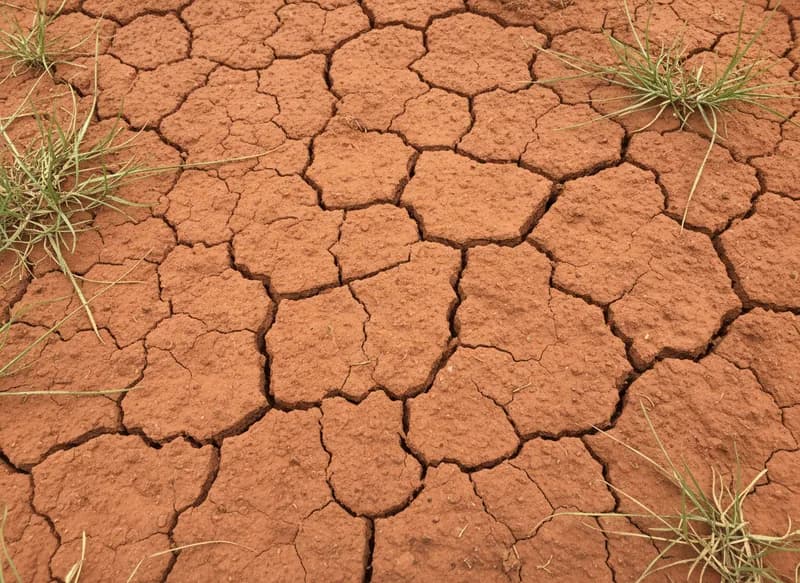
Rake out any dead grass and debris from the bare area. Loosen the top 2 to 3 inches of soil with a garden rake or hand cultivator. If the soil is compacted clay (common in Middle Georgia), mix in a thin layer of compost or topsoil to improve the growing medium. Level the area so it sits slightly above the surrounding grade. New soil and sod settle over time.
Soil preparation is where most DIY repairs fail. People lay sod directly on hard, compacted clay and expect it to root. It will not. The roots need loose, workable soil to grow into. Spend 10 minutes loosening the soil and blending in compost, and your repair has a much better chance of succeeding.
If the bare spot was caused by a chemical spill (fertilizer burn, gasoline, herbicide overspray), remove the top 2 inches of soil entirely and replace it with fresh topsoil. Contaminated soil can prevent new grass from establishing even if the chemical has broken down.
Remove all dead plant material before patching.
Loosen compacted soil to at least 2 to 3 inches deep.
Add a thin layer of compost to heavy clay soil.
Grade slightly above surrounding lawn to account for settling.
Sod vs Seed for Warm-Season Grasses
Most warm-season grasses used in Middle Georgia (bermuda, zoysia, St. Augustine, centipede) establish better from sod or plugs than from seed. Bermuda seed is available and works for small areas if you can keep it consistently moist. St. Augustine and zoysia do not establish well from seed at all. Sod or plugs are your only option for those grass types. For patches larger than a few square feet, sod provides faster results.
Sod plugs are a cost-effective middle ground for smaller bare spots. Cut 4-inch squares of sod from a matching grass type and press them into the prepared soil at 6 to 8 inch intervals. The plugs spread and fill in the gaps over 4 to 8 weeks depending on the grass type and growing conditions. Bermuda fills in fastest. Centipede and zoysia are slower but get there eventually.
If you go with seed for bermuda, spread it evenly over the prepared soil, rake lightly to press seeds into contact with the soil, and cover with a thin layer of wheat straw mulch. Keep the area moist until germination, which takes 7 to 14 days. Bermuda seed needs consistent moisture and soil temperatures above 65 degrees to germinate reliably.
Installing Sod Patches
For sod patches, cut pieces to fit the bare area snugly against the surrounding turf. Press the edges firmly into the existing lawn so there are no gaps. The sod should sit at the same level as the surrounding grass, not higher or lower. Stagger the seams if you are using multiple pieces, just like laying brick.
After installing, roll or tamp the sod firmly to eliminate air pockets between the sod and the soil. Air pockets prevent root-to-soil contact and cause the sod to dry out from underneath. A hand tamper or even walking firmly on the pieces works for small patches. Water immediately after installation, soaking the area until the soil beneath the sod is wet 3 to 4 inches deep.
Aftercare for Repaired Areas
Keep repaired areas consistently moist for the first 2 to 3 weeks. Water lightly twice daily until new sod roots or seeds germinate. Avoid foot traffic until the new grass is established. Do not fertilize for 4 to 6 weeks. Once the repair blends with the surrounding lawn, resume your normal maintenance schedule.
After the first 2 weeks, reduce watering to once daily for another week, then transition to every other day. By week 4, the sod should be rooted and you can return to your normal watering schedule. Test by gently tugging on the sod. If it resists pulling, roots are established.
The first mow on a repaired area should wait until the new grass is tall enough to need cutting and the sod is firmly rooted. Set the mower to the highest setting for the first pass. A sharp blade is critical here because young grass tears easily from dull cuts.
Preventing Future Bare Spots
Once you have fixed the bare spot, take steps to prevent it from coming back. For traffic-related damage, consider installing stepping stones or a mulch path through high-traffic areas. For pet urine spots, train dogs to use a designated area or water the spot within 8 hours of urination to dilute the nitrogen.
For disease-related bare spots, address the cultural conditions that favor the disease. Large patch thrives on excess nitrogen and poor drainage. Adjust your fertilization program and improve airflow by pruning low-hanging branches. For grub-related damage, consider a preventive grub treatment in early summer before the larvae start feeding on roots.
A thick, healthy lawn is the best defense against bare spots. Dense turf withstands traffic better, outcompetes weeds that fill bare areas, and recovers faster from stress. Our core weed control and fertilization program builds that density. Get a quote to see what we recommend for your property.
Key takeaways
What to Remember
Always identify the cause of a bare spot before repairing it. Treating symptoms without fixing the root cause means the spot comes back.
Late April through mid-June is the best repair window for warm-season grasses in Middle Georgia.
Prepare the soil by loosening 2 to 3 inches deep and mixing in compost. Do not lay sod on hard, compacted clay.
Sod patches and plugs work better than seed for most warm-season grasses. Bermuda is the only common grass that reliably establishes from seed.
Water repaired areas twice daily for the first 2 weeks, then gradually reduce to your normal schedule.
Prevent future bare spots by addressing traffic patterns, pet habits, disease conditions, and soil compaction.
Common questions
Frequently Asked Questions
Why does my lawn have bare spots?
Common causes include grub damage, foot traffic compaction, dog urine, fungal disease, and improper mowing height. Identifying the cause prevents the problem from returning after repair.
What is the fastest way to fill in bare spots?
Sod plugs or patches are the fastest repair for warm-season grasses. Loosen the soil, place the sod, press it firmly, water twice daily, and the surrounding grass will fill in within a few weeks during the growing season.
Can I use seed to fix bare spots in my bermuda lawn?
Yes, bermuda is the one common warm-season grass that establishes well from seed. Spread seed over loosened soil, cover lightly with straw mulch, and keep consistently moist for 7 to 14 days until germination. Soil temps must be above 65 degrees.
How long does it take for bare spot repairs to fill in?
Sod patches root in 2 to 3 weeks with proper watering. Full fill-in from plugs takes 4 to 8 weeks depending on the grass type. Bermuda fills fastest, followed by zoysia, then centipede.
Should I fertilize bare spot repairs?
Wait 4 to 6 weeks before fertilizing repaired areas. The sod or seed needs to establish roots first. Early fertilizer pushes top growth before roots are anchored, which weakens the plant. Use a starter fertilizer with higher phosphorus for the first application.
Keep reading
Related Resources
More in How-To Guides
Written by Tyler Warnock
Founder and owner of Attaboy Lawn Care in Macon, Georgia. Licensed Georgia pesticide applicator (Cat. 24, #22324). Tyler treats lawns across Macon, Warner Robins, and the rest of Middle Georgia, and writes these guides from what the region’s bermuda, zoysia, and centipede yards actually do season to season.
Ready for results?
Get a Custom Quote for Your Lawn
Professional lawn care for Macon, Warner Robins, and Middle Georgia. No contracts, no obligation.