
New Sod Care Guide for Georgia
New sod needs specific care for the first 6 to 8 weeks. Get the watering schedule wrong and you will be replacing it. Here is how to do it right.
New sod needs heavy water first, then less. Water twice daily for week 1, once daily for week 2, every other day for weeks 3 and 4, then 2 to 3 times per week. Do not mow until the sod resists a tug, usually 2 to 3 weeks. Wait 4 to 6 weeks to fertilize. Keep traffic off for 2 weeks.
The First 48 Hours Are Critical
The clock starts the moment sod is laid. New sod begins drying out immediately once it is cut from the farm and stacked on pallets. In Middle Georgia summer heat, sod left on a pallet for more than a few hours starts cooking. If your sod arrives in the morning, it should be installed and watered by the end of the day. Do not let it sit overnight.
Within the first 48 hours after installation, your only job is keeping the sod and the soil beneath it wet. Water immediately after each section is laid, do not wait until the entire yard is finished. Then soak the full area thoroughly. The goal is to get moisture 3 to 4 inches deep into the soil below the sod. This encourages roots to grow downward into the native soil rather than staying shallow in the sod layer.
Watering Schedule for New Sod
New sod needs heavy watering for the first 2 weeks, enough to keep the soil beneath the sod consistently moist. Water twice daily for the first week (early morning and mid-afternoon) and once daily for week two. After that, transition to every other day for 2 weeks, then to the normal deep-and-infrequent schedule. The goal is root establishment. You want roots growing down into the soil, not sitting in a permanently soggy layer.
Here is the logic behind the schedule. In week one, the sod has no root connection to the soil. It is sitting on top like a wet sponge and can dry out in hours during Georgia heat. Twice-daily watering keeps the interface between sod and soil moist so roots can bridge the gap. By week two, roots are starting to penetrate the soil and the sod can hold moisture longer.
By weeks three and four, roots should be 1 to 2 inches into the native soil. The sod no longer needs constant surface moisture because it can pull water from below. This is when you start training the roots to go deeper by reducing frequency and increasing depth. If you keep watering like week one through month two, you create a shallow root system that cannot handle drought.
Week 1: water twice daily, 15 to 20 minutes per zone.
Week 2: water once daily in the morning.
Weeks 3 to 4: water every other day.
After week 4: transition to normal schedule (2 to 3 times per week).
Adjusting for Middle Georgia Clay Soil
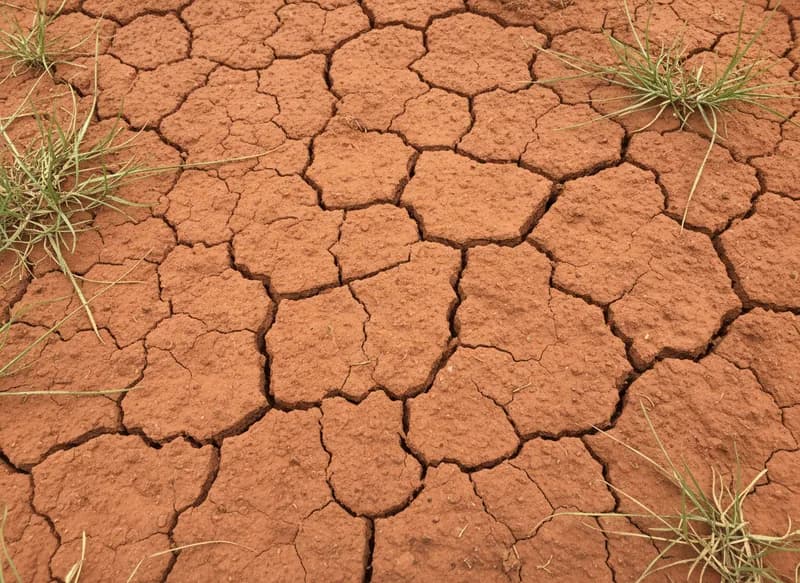
Middle Georgia's heavy clay soil creates a specific challenge for new sod. Clay drains slowly, which means the sod can sit in standing water if you overdo it. At the same time, dry clay repels water and creates a barrier that roots cannot penetrate. The balance is keeping the soil consistently moist without waterlogging.
If you see water pooling on the surface during irrigation, shorten your watering time and add a third session instead. Three 10-minute sessions absorb better than two 20-minute sessions on clay. Check the soil moisture by lifting a corner of the sod after watering. The soil should be dark and moist to the touch, not muddy or standing in water. If it is bone dry an inch below the surface, you are not watering enough.
First Mowing
Do not mow new sod until it has rooted, usually 2 to 3 weeks after installation. Test by gently tugging on the sod in several spots. If it resists pulling, roots are establishing. For the first mow, set your mower to the highest setting for your grass type and remove no more than one-third of the blade height. Use a sharp blade to avoid tearing young grass.
The first mow is stressful for new sod because the mower wheels can shift pieces that are not fully anchored. If sections still feel loose when you do the tug test, give them another week. Mowing too early on loose sod tears up the pieces and sets back establishment by weeks.
Make sure the ground is not too wet when you mow. Soft, wet soil combined with mower weight creates ruts and compacts the soil right where roots are trying to grow. Mow in the morning after the grass has dried from dew but before afternoon heat. Keep your mower blade sharp. New grass blades are tender and a dull blade shreds them instead of cutting cleanly, leaving ragged brown tips.
When to Start Fertilizing
Wait 4 to 6 weeks before applying fertilizer to new sod. The sod farm already fertilized it before harvest. Early fertilizer application pushes top growth before roots are established, weakening the plant. When you do start, use a starter fertilizer with higher phosphorus (the middle number) to encourage root development rather than heavy nitrogen for blade growth.
A starter fertilizer like 18-24-12 provides the phosphorus boost that drives root growth. Apply it at the rate listed on the bag, water it in, and let the roots do their work. After 8 to 10 weeks, the sod is fully established and you can transition to a regular fertilization program based on your grass type.
One thing to watch for: if the sod starts yellowing before the 4-week mark, it is likely a watering issue, not a nutrient issue. New sod that turns yellow is almost always either too wet (roots suffocating) or too dry (roots desiccating). Check your watering before reaching for fertilizer.
No fertilizer for the first 4 to 6 weeks.
Use a starter fertilizer with higher phosphorus first.
Switch to a balanced program after the sod is fully established (8 to 10 weeks).
Common New Sod Mistakes
The two biggest mistakes are underwatering in the first week and walking on the sod before it roots. New sod pieces will shrink and separate at the seams if they dry out. Those gaps are nearly impossible to close later. Keep foot traffic off new sod for at least 2 weeks. Avoid parking on it, and keep pets off the area during establishment.
Another common mistake is installing sod over unprepared soil. If the native soil surface is hard, smooth, and compacted, roots cannot penetrate it. The sod looks fine for a few weeks, then starts declining because the roots hit a wall. The soil should be loosened, raked, and slightly moist before sod goes down.
We also see homeowners stack sod on top of existing dead grass or weeds. This creates a barrier between the new roots and the soil. Always remove old turf, dead grass, and debris down to bare soil before installing new sod. Grade the area so it sits slightly above the surrounding lawn to account for settling.
Weed Control on New Sod
Do not apply any herbicides to new sod for at least 4 to 6 weeks. Most pre-emergent and post-emergent products can stress or damage grass that has not fully rooted. If weeds pop up during the establishment period, pull them by hand. Once the sod is rooted and you have mowed it at least twice, you can start a normal weed control program.
Some weeds are actually a good sign during sod establishment. They mean the soil is moist and conditions support growth. The weeds will not be a long-term problem once the desirable grass fills in and you begin a regular treatment program. Focus on getting the sod healthy first, then address weeds.
Best Time of Year to Install Sod
In Middle Georgia, the best time to install warm-season sod is late April through June. The grass is in peak growth mode and establishes roots quickly. Summer installation (July and August) works but requires more diligent watering because heat and evaporation dry the sod faster. Early fall, September to mid-October, is the last reliable window. After mid-October, the grass does not have enough growing time to root before dormancy.
Avoid installing sod in winter (November through February) for warm-season grasses. Dormant sod can survive but it will not root until spring, leaving it vulnerable to drought, erosion, and displacement for several months. If you must install in winter, expect a longer establishment period and plan to water sparingly to prevent root desiccation without causing fungal issues.
If you are planning a sod installation and want professional guidance on soil prep, timing, and follow-up care, we can help. Our team serves Macon, Warner Robins, Byron, Bonaire, Centerville, Kathleen, and Bolingbroke. Get a quote on our weed control and fertilization program to keep your new sod healthy long-term.
Key takeaways
What to Remember
Water new sod immediately after installation and twice daily for the first week. The first 48 hours are the most critical.
Do not mow until the sod resists pulling when tugged, usually 2 to 3 weeks after installation.
Wait 4 to 6 weeks before fertilizing. The sod farm already applied nutrients before harvest.
Keep all foot traffic and pets off new sod for at least 2 weeks while roots establish.
Middle Georgia clay soil requires careful water management. Avoid both underwatering and waterlogging.
The best installation window is late April through June when grass is in peak growth mode.
Common questions
Frequently Asked Questions
How long until new sod is established?
New sod takes 2 to 3 weeks to root into the soil. Full establishment where the lawn can handle normal traffic and regular mowing takes 4 to 6 weeks. Plan on 8 to 10 weeks before the sod is fully integrated with your existing lawn.
How often should I water new sod in Georgia?
Water twice daily for the first week, once daily for week two, every other day for weeks three and four, then transition to your normal schedule of 2 to 3 times per week. Adjust for rain events and watch for signs of overwatering on clay soil.
Can I install sod in the summer in Georgia?
Yes, but summer installations require more diligent watering because Middle Georgia heat dries sod faster. Water immediately during installation, not after the whole job is done. The best window is late April through June, before peak summer heat.
Why is my new sod turning yellow?
Yellowing new sod is almost always a watering problem, either too much or too little. Check soil moisture by lifting a corner. The soil should be moist but not waterlogged. It is rarely a nutrient issue in the first 4 weeks since sod farms fertilize before harvest.
When can I apply weed killer to new sod?
Wait at least 4 to 6 weeks and until you have mowed the sod at least twice. Most herbicides stress grass that has not fully rooted. Pull weeds by hand during the establishment period.
Keep reading
Related Resources
More in Lawn Tips
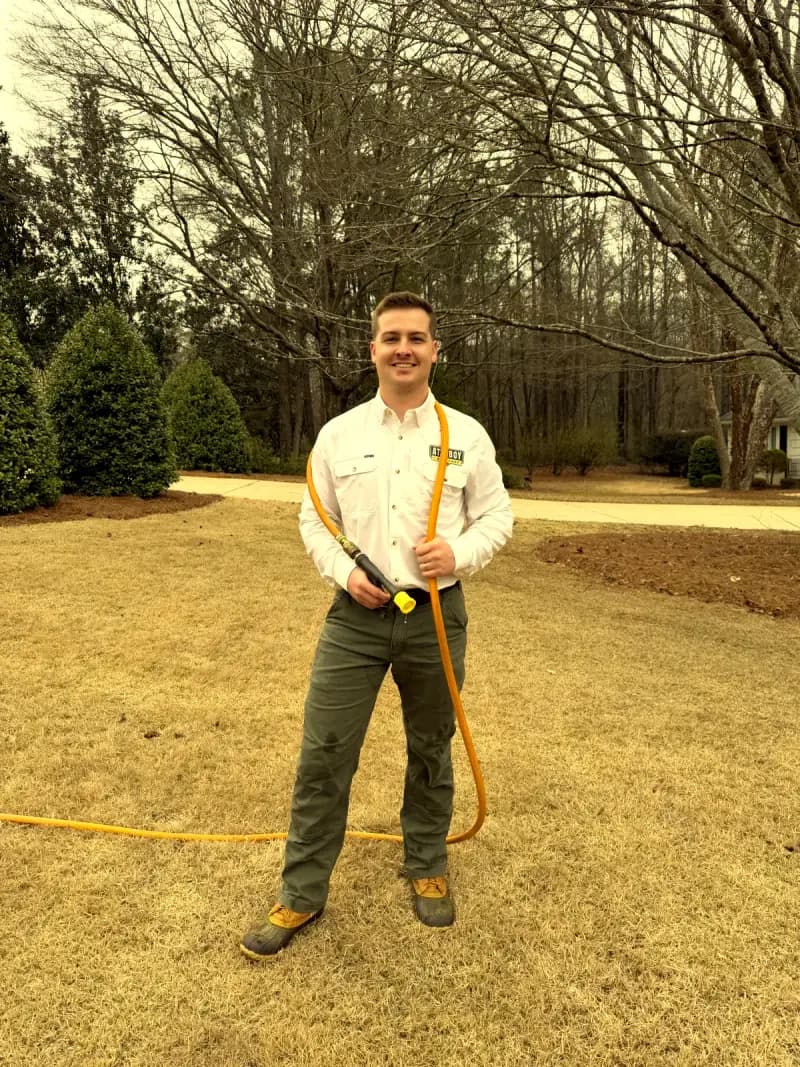
Written by Tyler Warnock
Founder and owner of Attaboy Lawn Care in Macon, Georgia. Licensed Georgia pesticide applicator (Cat. 24, #22324). Tyler treats lawns across Macon, Warner Robins, and the rest of Middle Georgia, and writes these guides from what the region’s bermuda, zoysia, and centipede yards actually do season to season.
Ready for results?
Get a Custom Quote for Your Lawn
Professional lawn care for Macon, Warner Robins, and Middle Georgia. No contracts, no obligation.