Fire Ant Season in Georgia
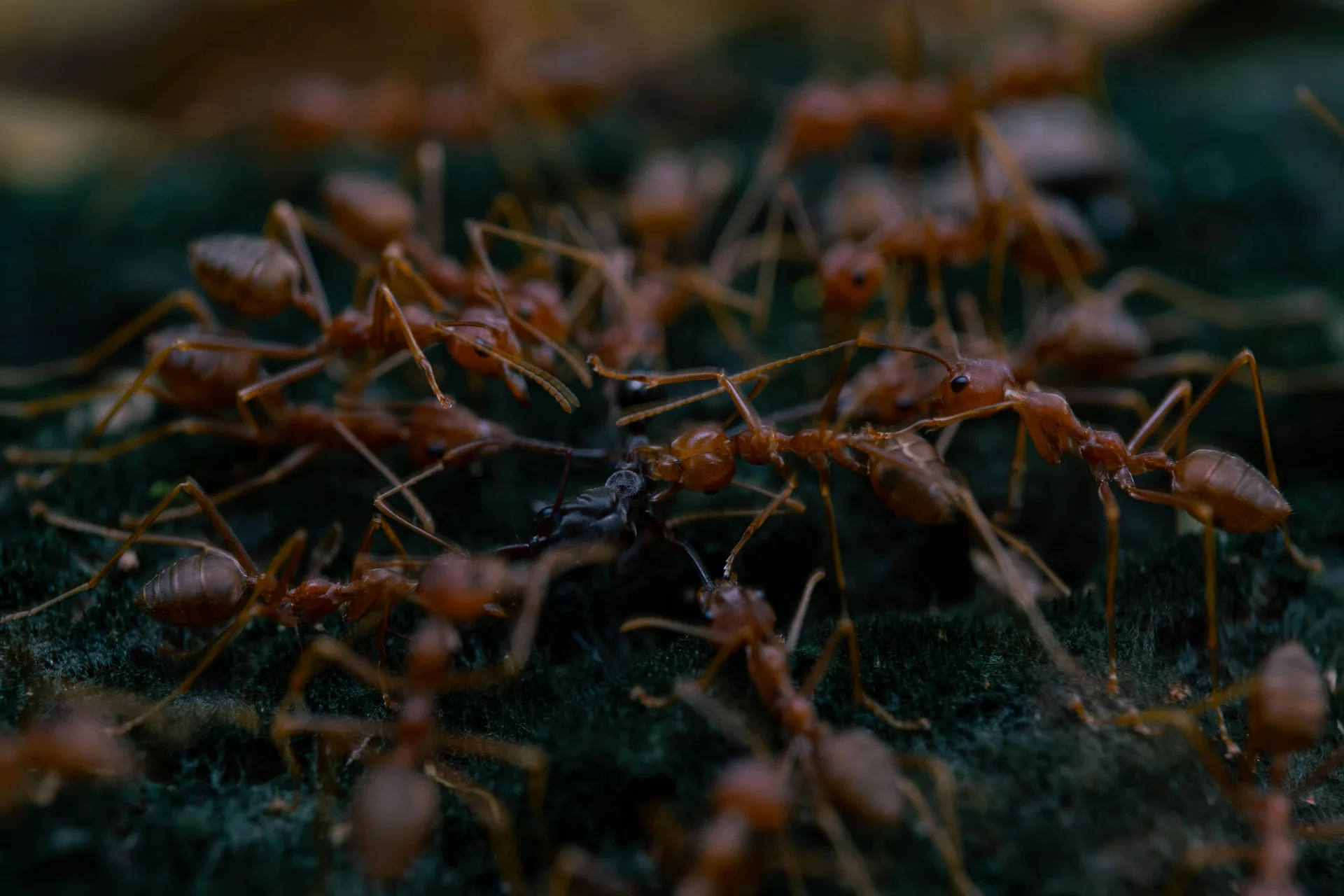
Fire ants in Middle Georgia are active nearly year-round, but spring and fall are when mound activity peaks and stings become a real hazard.
Fire ants in Middle Georgia stay active any time soil temperatures hold above 65 degrees, with peak mound building in spring, March through May, and fall, September through November. Treating single mounds does not last, because neighboring colonies move in. We use the two-step method, broadcast bait across the whole yard plus mound treatment, twice per year.
Fire Ant Activity Calendar
Fire ants in Middle Georgia are active whenever soil temperatures stay above 65 degrees. Their peak activity periods are spring (March through May) and fall (September through November) when conditions are warm but not extreme. During peak summer heat, ants move deeper underground and forage at night. Winter slows them down but does not eliminate them. New mounds appear most frequently after rain events in spring and fall.
Here is what that looks like month by month. In January and February, colonies are mostly dormant but not dead. March through May is prime mound-building season. You will see new mounds popping up after every spring rain, especially in sunny areas of the yard. June through August, the ants are still active but forage at dawn and dusk to avoid the heat. September through November brings the second peak, with aggressive mound building and foraging. December, activity drops but does not stop entirely.
For homeowners in Macon, Warner Robins, Bonaire, and Kathleen, this means fire ants are a nearly year-round problem. You never fully escape them. The question is not whether you have fire ants. It is how many colonies are living in your yard right now.
Understanding Fire Ant Colony Structure
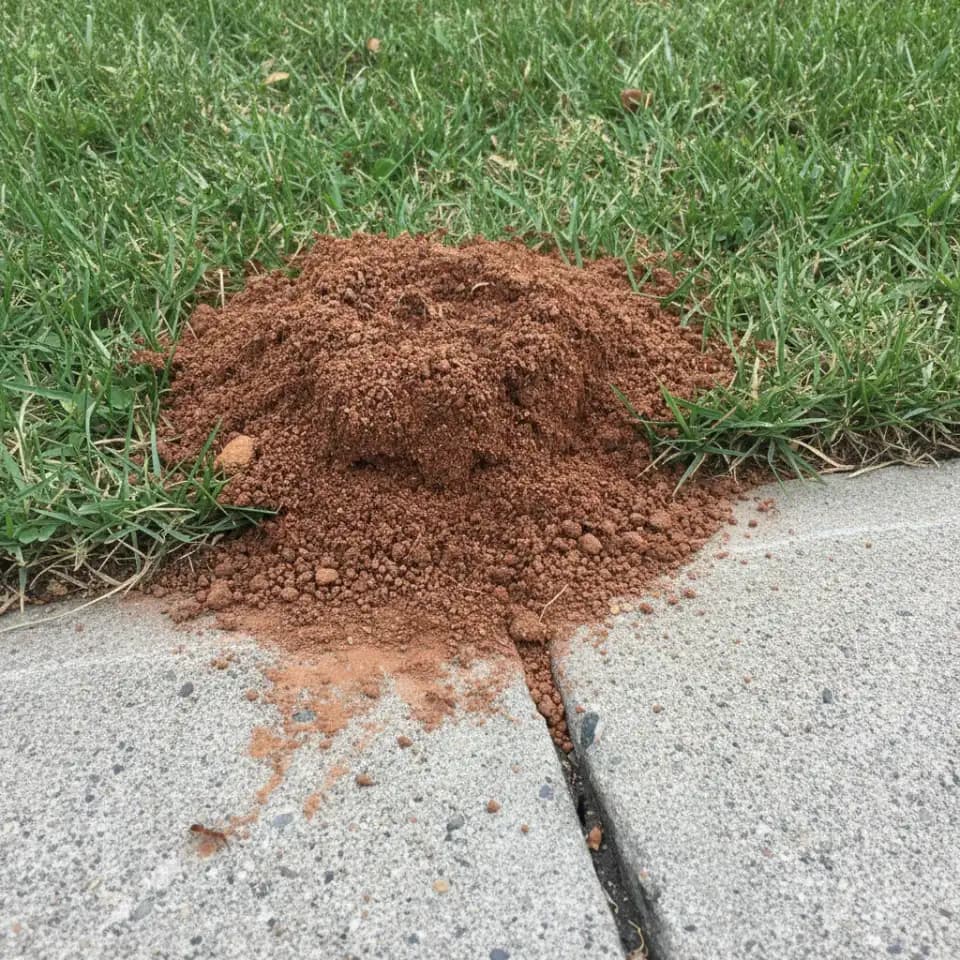
Fire ant colonies are more complex than most people realize. A single colony can contain 100,000 to 500,000 worker ants, a queen (sometimes multiple queens), and thousands of developing larvae and pupae. The mound you see on the surface is just the tip. The tunnel network extends 3 to 6 feet underground and can spread 10 feet or more from the mound center.
Red imported fire ants in Georgia often have multiple queens per colony. This is called polygyne behavior, and it matters because multi-queen colonies are harder to kill. If you eliminate one queen, the others keep the colony going. Multi-queen colonies also have higher population density, meaning more mounds packed closer together in your yard.
Colonies reproduce by "budding," where a group of workers and a queen split off to form a new colony nearby. This is why killing one mound often leads to two or three new mounds popping up within weeks. The colony fragments and spreads rather than dying out. You are playing whack-a-mole unless you treat the entire yard.
Why Single Mound Treatment Fails
Treating individual mounds with boiling water, gasoline, or over-the-counter baits kills that colony but does nothing about the dozens of other colonies nearby. Fire ant colonies have multiple queens and can split into new colonies rapidly. Within weeks, neighboring colonies move into the cleared territory. The only effective long-term strategy combines individual mound treatment with yard-wide broadcast bait.
We hear it all the time from homeowners in Warner Robins and Centerville: "I treated the mound and it came back." It did not come back. A different colony moved in. Your yard is not an isolated ecosystem. Fire ants from neighboring properties, fields, and wooded areas constantly migrate into open territory. Kill one colony and the space it occupied becomes prime real estate for its neighbors.
Home remedies make this worse. Pouring boiling water on a mound kills some surface workers but sends the queen and brood deeper into the tunnel network. The colony relocates 10 feet away and builds a new mound within days. Gasoline is dangerous, illegal to use as a pesticide, and contaminates your soil. Club soda, grits, and cinnamon do nothing at all. Save your time and money.
Never pour gasoline on mounds. It is dangerous and contaminates soil.
Boiling water kills surface ants but rarely reaches the queen.
Broadcast bait treats the entire yard, not just visible mounds.
A two-step approach (mound drench plus broadcast bait) gives the best results.
The Two-Step Method for Fire Ant Control
The most effective fire ant control strategy uses two steps: broadcast bait across the entire yard, followed by direct mound treatment on the most aggressive colonies. This is the approach recommended by university extension services across the Southeast, and it is what we use for our customers.
Step one: spread a slow-acting broadcast bait across the entire lawn and landscape. Worker ants find the bait, carry it back to the colony, and feed it to the queen and brood. Over 1 to 3 weeks, the colony dies from the inside. This is the step most homeowners skip, and it is the most important one. Broadcast bait reaches colonies you cannot see, including those with mounds hidden under mulch, along fence lines, and at property edges.
Step two: apply a fast-acting mound drench or granular treatment to individual mounds near high-traffic areas like walkways, play areas, and patios. This provides immediate knockdown of aggressive colonies while the broadcast bait does its slower work across the rest of the yard. Together, these two steps provide both fast relief and long-term control.
Professional Fire Ant Control
Professional-grade broadcast baits contain slow-acting insecticide that worker ants carry back to the colony. Over 1 to 2 weeks, the bait reaches the queen and brood, eliminating the colony from the inside. Combined with direct mound treatment for immediate knockdown of aggressive mounds near walkways and play areas, this approach provides yard-wide control that consumer products cannot match.
The difference between professional and consumer products comes down to formulation and coverage. Professional baits use attractants that fire ants prefer over competing food sources. They also contain active ingredients at concentrations optimized for colony elimination, not just surface kill. Consumer granules from the hardware store often repel ants rather than attract them, which just moves the colony.
Our insect control add-on includes fire ant management as part of the treatment program. We time applications for peak activity periods in spring and fall, when ants are foraging most aggressively and carrying the most bait back to their colonies. Get a quote to add insect control to your lawn care program.
Protecting Your Family and Pets
Fire ant stings are painful and can cause severe allergic reactions. Children and pets are most at risk because they may not recognize a mound until they are standing on it. Keep treated mounds marked for 24 hours after application. Teach children to recognize mounds and avoid disturbed soil after rain. If anyone in your household has a known allergy to fire ant stings, year-round professional control is essential.
A single fire ant sting is not usually dangerous for adults. The problem is that fire ants do not sting once. When a mound is disturbed, hundreds of ants swarm up simultaneously and sting in coordinated bursts. A child or small pet standing on a mound can receive dozens of stings in seconds. For individuals with allergies, this volume of venom can trigger anaphylaxis.
Dogs are especially vulnerable because they investigate mounds with their noses and paws. Stings to the face, mouth, and paw pads are common. Cats tend to avoid mounds, but outdoor cats can stumble into them. If your pet shows excessive drooling, swelling, or difficulty breathing after being outside, get to a vet immediately. Year-round fire ant control is the best way to protect your family and pets.
Fire Ants and Lawn Health
Fire ants do not feed on grass, so they do not directly damage your lawn the way grubs or armyworms do. However, their mound-building activity disrupts the soil surface, creates uneven ground, and smothers grass beneath the mound. Large mounds can kill a 1 to 2 foot circle of turf. Multiply that by 20 or 30 mounds across a yard and you have significant aesthetic damage.
Mounds also interfere with mowing. Running a mower over a fire ant mound scatters the colony, triggers aggressive stinging behavior, and spreads soil across the lawn. Many homeowners in Macon and Byron avoid mowing areas with heavy mound activity, which leads to overgrown patches and an uneven yard. Controlling fire ants makes your entire lawn easier to maintain.
Seasonal Fire Ant Treatment Schedule
For the best results in Middle Georgia, we recommend treating fire ants twice per year: once in spring (March or April) and once in fall (September or October). These applications coincide with peak foraging activity when ants are most likely to find and consume broadcast bait.
Spring treatment targets colonies as they ramp up activity after winter. The ants are hungry and aggressive foragers, so they find bait quickly. Fall treatment catches the second activity peak and reduces the number of colonies that overwinter in your yard. Fewer overwintering colonies means fewer mounds in the spring.
Between treatments, monitor your yard for new mounds. Spot-treat any aggressive colonies that appear near high-traffic areas. This combination of scheduled broadcast treatment and targeted spot treatment keeps fire ant populations low year-round. It will not eliminate every ant on your property, but it will reduce mound counts by 80 to 90 percent.
Key takeaways
What to Remember
Fire ants in Middle Georgia are active nearly year-round. Spring and fall are peak mound-building seasons.
Treating individual mounds does not work long-term. Neighboring colonies move into the cleared territory within weeks.
The two-step method, broadcast bait plus individual mound treatment, is the most effective strategy recommended by university extension services.
Fire ant colonies can contain 100,000 to 500,000 ants with multiple queens. Killing one queen does not kill the colony.
Treat twice per year, spring and fall, during peak foraging activity for the best results.
Year-round professional control is essential if anyone in your household has a fire ant sting allergy.
Common questions
Frequently Asked Questions
When are fire ants most active in Georgia?
Fire ants are most active in spring and fall when soil temperatures are between 70 and 90 degrees. They build mounds aggressively after rain events during these seasons.
How do I get rid of fire ant mounds in my yard?
Individual mound treatments eliminate visible colonies, but a yard-wide broadcast bait is the most effective long-term strategy. The two-step method, broadcast bait plus mound drench, provides both immediate and lasting control.
Do home remedies work for fire ants?
No. Boiling water, gasoline, grits, club soda, and cinnamon are all ineffective or dangerous. Boiling water kills some surface workers but the queen relocates. Gasoline is illegal to use as a pesticide and contaminates soil. Only insecticidal baits and drenches provide real control.
How often should I treat for fire ants?
Twice per year gives the best results: once in spring (March or April) and once in fall (September or October). Spot-treat aggressive mounds between scheduled applications as needed.
Are fire ants dangerous to dogs?
Yes. Dogs often investigate mounds with their noses and paws and can receive dozens of stings in seconds. Stings to the face and mouth are common. If your dog shows swelling, excessive drooling, or breathing difficulty after being outside, see a vet immediately.
Will fire ants damage my lawn?
Fire ants do not eat grass, but their mounds smother turf and create uneven ground. Large mounds kill 1 to 2 foot circles of grass. Across an entire yard, the cumulative damage from multiple mounds is significant.
Keep reading
Related Resources
More in Pest & Disease Alerts
Written by Tyler Warnock
Founder and owner of Attaboy Lawn Care in Macon, Georgia. Licensed Georgia pesticide applicator (Cat. 24, #22324). Tyler treats lawns across Macon, Warner Robins, and the rest of Middle Georgia, and writes these guides from what the region’s bermuda, zoysia, and centipede yards actually do season to season.
Ready for results?
Get a Custom Quote for Your Lawn
Professional lawn care for Macon, Warner Robins, and Middle Georgia. No contracts, no obligation.