Complete Lawn Care Guide for Macon, Georgia
Macon lawns face specific challenges. Red clay soil, intense summer heat, and year-round weed pressure require a targeted approach.
Macon lawn care means working with red clay soil, Zone 8a heat, and weeds that germinate year-round. We aerate the clay, put pre-emergent down in late February, and fertilize on a schedule matched to your grass type. Bermuda handles full sun, zoysia or St. Augustine handle shade. Water 1 inch per week, early morning, never in the evening.
Understanding Macon Soil and Climate
Macon sits in USDA Hardiness Zone 8a with hot, humid summers and mild winters. Bibb County soil is primarily red clay, dense, acidic, and prone to compaction. Average summer highs reach the low to mid 90s, and the area receives about 45 inches of rain per year. These conditions favor warm-season grasses but also create year-round weed pressure and ideal conditions for fungal disease.
The Ocmulgee River corridor influences microclimates across Macon. Properties near the river and in low-lying areas of south Macon hold moisture longer and are more prone to fungal issues like large patch. Higher-elevation neighborhoods in north Macon and Wesleyan area tend to have slightly sandier soil mixes and better drainage.
Macon summers regularly hit 95 degrees or higher with humidity that makes it feel worse. This combination puts real stress on lawns, especially centipede and St. Augustine. The saving grace is that Macon gets fairly consistent summer rainfall, which means irrigation needs are lower here than in drier parts of the state. But when a dry stretch hits in July or August, it hits hard and fast.
Best Grass Types for Macon Yards
Bermuda is the most popular choice for full-sun Macon yards. It handles heat well and recovers from damage quickly. Zoysia works for homeowners who want a premium look with moderate shade tolerance. Centipede is ideal for low-maintenance properties. St. Augustine thrives in shaded yards under heavy tree cover. Your choice should match your sun exposure, traffic level, and maintenance commitment.
Across Macon, we see bermuda in the majority of lawns we treat, especially in neighborhoods like Ingleside, River North, and the Vineville area where mature lots get full sun. The older neighborhoods around Wesleyan and Shirley Hills tend to have more tree cover, so zoysia and St. Augustine show up more frequently in those areas.
Full sun, active family: bermuda grass.
Partial shade, low traffic: zoysia grass.
Low maintenance, minimal input: centipede grass.
Heavy shade under trees: St. Augustine grass.
Seasonal Treatment Calendar for Macon
Lawn care in Macon is a year-round commitment. Weeds germinate in every season, and your grass needs different inputs at different times. The calendar below reflects what we apply to Macon lawns based on over a decade of treating Bibb County properties.
Year-Round Lawn Care Calendar for Macon, Georgia
| Season | Months | Key Treatments |
|---|---|---|
| Early Spring | Late Feb to March | First pre-emergent, spot-treat winter weeds, irrigation audit |
| Late Spring | April to May | First fertilizer, second pre-emergent, post-emergent weed control, begin regular mowing |
| Summer | June to August | Slow-release fertilizer, insect monitoring, consistent irrigation, raise mowing height |
| Early Fall | September to October | Fall pre-emergent, core aeration, potassium-heavy fertilizer, large patch fungicide if needed |
| Late Fall | November | Lower mowing height gradually, final weed spot-treatments, reduce irrigation |
| Winter | December to February | Spot-treat winter weeds as needed, lime application if soil test calls for it, plan for spring |
Common Macon Lawn Problems
The most frequent issues we treat in Macon lawns are crabgrass invasion, nutsedge, large patch disease, armyworm infestations, and thin grass from compacted clay. Most of these problems are preventable with a consistent treatment program. The homeowners who struggle most are those who treat reactively instead of staying ahead of problems with preventive applications.
Crabgrass is the top weed enemy in Macon. It thrives in the heat and germinates in any thin spot or crack in the turf. A solid pre-emergent program is the only reliable way to control it. Once crabgrass is actively growing, it is much harder to eliminate without stressing the lawn.
Large patch disease is the other major issue specific to our area. Many homeowners and even some lawn care companies incorrectly call it "brown patch," but that is a cool-season grass disease. Large patch affects warm-season grasses, especially zoysia, centipede, and St. Augustine. It is most active when soil temps are between 50 and 70 degrees, which means fall through early spring in Macon.
Soil Improvement for Bibb County Clay
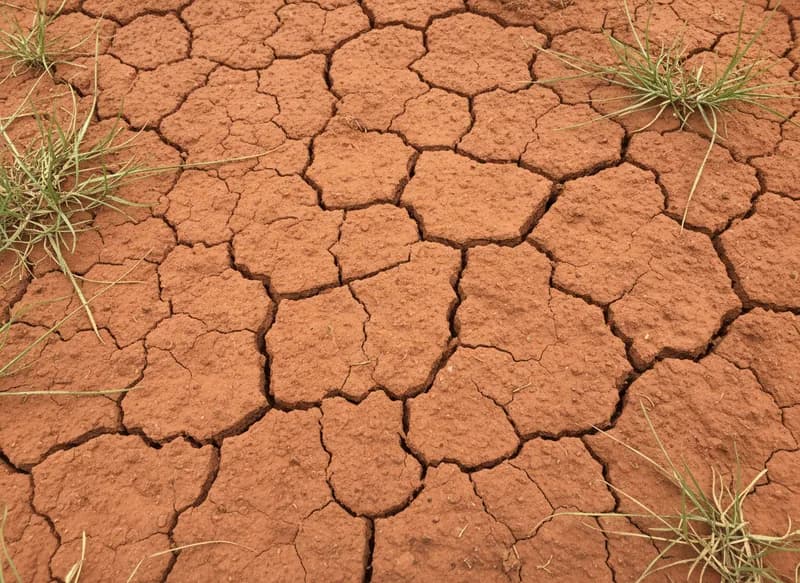
Most Macon lawns sit on heavy red clay that compacts easily and restricts root growth. Core aeration once or twice a year breaks up that compaction and lets water and nutrients reach the root zone. A soil test from the Bibb County Extension office tells you exactly what pH corrections and amendments your specific soil needs.
Lime is the most common amendment for Macon soil. Most properties test between 5.0 and 5.8 pH, and warm-season grasses perform best between 6.0 and 6.5. Applying lime right after aeration gets it into the soil profile faster. Results take 2 to 3 months, so plan lime applications in fall or early spring for the best timing.
Watering Guide for Macon Lawns
Macon receives about 45 inches of rain annually, but it is not evenly distributed. Spring rain is usually reliable, but July and August can go weeks without significant rainfall. That is when supplemental irrigation becomes critical.
Target 1 inch of water per week total, including rainfall. Water deeply 2 to 3 times per week in the early morning. Avoid watering in the evening. Wet grass overnight in Macon humidity is an open invitation for fungal disease. If your grass footprints stay visible after you walk across it, the lawn needs water.
Many Macon neighborhoods have irrigation systems installed during construction. Check yours in early spring by running each zone manually. Look for broken heads, misaligned spray patterns, and dry spots where coverage does not overlap. A 5-minute inspection saves water and prevents brown patches all summer.
Professional Lawn Care in Macon
Attaboy Lawn Care treats lawns throughout Macon and surrounding Bibb County. Our core program covers weed control and fertilization on the right schedule for your specific grass type. We handle pre-emergent timing, post-emergent spot treatments, and seasonal fertilizer applications so you do not have to track the calendar yourself.
Add-on services include soil conditioning, disease control, insect control, fire ant treatment, and core aeration. Not every lawn needs every service. Your treatment plan is based on what your yard actually requires, not a one-size-fits-all package. Get a quote and we will have your first treatment down within 24 hours of signing up.
Key takeaways
What to Remember
Macon sits on heavy Bibb County red clay that needs core aeration at least once a year for healthy root growth.
Pre-emergent in late February is the foundation of weed control for Macon lawns. It stops crabgrass before it starts.
The disease is called large patch, not brown patch. It affects warm-season grasses and is most active in fall through early spring.
Bermuda handles full-sun Macon yards best. Use zoysia or St. Augustine for shaded areas under tree cover.
Water deeply 2 to 3 times per week, never in the evening. Macon humidity makes wet overnight grass a fungal risk.
Common questions
Frequently Asked Questions
What lawn care services does Macon need most?
Weed control and fertilization are the foundation. Macon clay soil and warm climate create heavy weed pressure year-round, so pre-emergent and post-emergent treatments are the most impactful services.
When should I start lawn care in Macon?
Pre-emergent should go down in late February to early March before soil temperatures hit 55 degrees. Year-round treatment keeps Macon lawns ahead of weeds in every season.
How much does lawn care cost in Macon?
Most Macon lawns start at $39 to $89 per month for the core program (weed control and fertilization). Exact pricing depends on lawn size and services needed. Get a quote for your specific property.
What is the best grass for Macon lawns?
Bermuda is the most popular choice for full-sun Macon yards. For shaded areas under trees, St. Augustine or zoysia are better options. Centipede works well for homeowners who want low-maintenance turf.
Keep reading
Related Resources
More in Local Guides
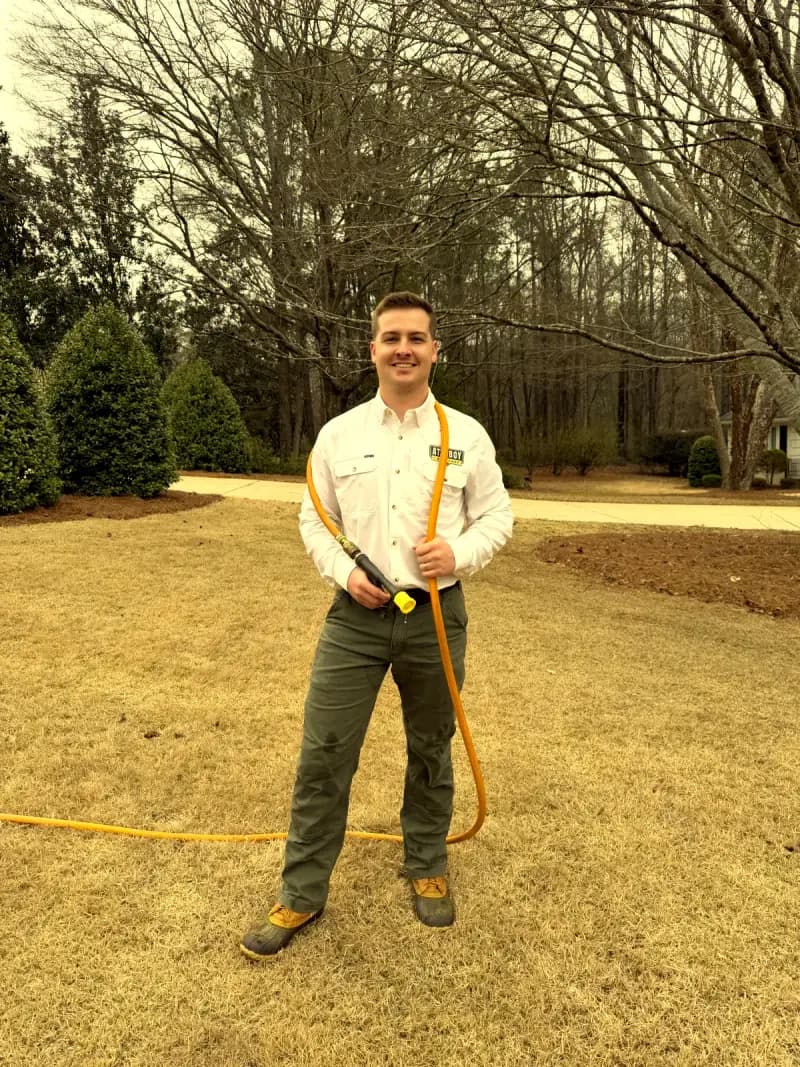
Written by Tyler Warnock
Founder and owner of Attaboy Lawn Care in Macon, Georgia. Licensed Georgia pesticide applicator (Cat. 24, #22324). Tyler treats lawns across Macon, Warner Robins, and the rest of Middle Georgia, and writes these guides from what the region’s bermuda, zoysia, and centipede yards actually do season to season.
Ready for results?
Get a Custom Quote for Your Lawn
Professional lawn care for Macon, Warner Robins, and Middle Georgia. No contracts, no obligation.