Lawn Care Mistakes Georgia Homeowners Make
Most lawn problems in Middle Georgia come from well-intentioned mistakes. Here are the ones we see most often and how to avoid them.
The mistakes we see most in Middle Georgia are over-fertilizing centipede, watering every day, mowing too short, ignoring soil health, skipping pre-emergent, and using products that do not match the grass type. Keep centipede nitrogen under 2 pounds per 1,000 square feet, water 2 to 3 times a week in the morning, and get a soil test every 2 to 3 years.
Over-Fertilizing Centipede Grass
This is the number-one mistake we see. Centipede grass needs far less nitrogen than bermuda, just 1 to 2 pounds per 1,000 square feet per year total. Homeowners see their neighbor's dark green bermuda lawn and assume more fertilizer equals better results. On centipede, excess nitrogen causes thatch buildup, reduces cold tolerance, and creates conditions that favor disease. Less is genuinely more with centipede.
The damage from over-fertilizing centipede is not always immediate. Excess nitrogen pushes fast top growth while the root system weakens underneath. The lawn looks great for a few weeks, then declines. Thatch builds up, large patch disease moves in, and by fall the lawn is thinner than before you fertilized. We see this pattern every year in Macon, Warner Robins, and Byron.
If you have centipede, keep total nitrogen under 2 pounds per 1,000 square feet per year. That means one light application in late spring and possibly one more in summer. Skip the heavy spring feeding that bermuda lawns get. A slow-release nitrogen source works best because it feeds the grass gradually instead of forcing a growth surge.
Watering Every Day
Daily light watering keeps roots shallow and encourages fungal disease. Deep, infrequent watering forces roots to grow deeper, building a more drought-tolerant lawn. Two to three deep watering sessions per week beats seven shallow ones. Evening watering is even worse. Wet grass sitting overnight is an invitation for large patch and dollar spot.
We talk to homeowners in Bonaire and Centerville who run their sprinklers every morning for 10 minutes. That keeps the top half inch of soil wet and the rest dry. Roots have no reason to grow deeper because all the moisture is right at the surface. Then summer heat hits and those shallow roots cannot reach water. The lawn browns out even though the irrigation system runs every day.
Switch to 2 or 3 sessions per week and run each zone long enough to deliver about a third of an inch per session. Put a tuna can or rain gauge on the lawn to measure output. Water between 5 and 9 AM so the grass dries by mid-morning. This simple change will do more for your lawn than any product you can buy at a hardware store.
Water 2 to 3 times per week, not daily.
Water in the morning, never in the evening.
Deliver about a third of an inch per session.
Mowing Too Short
Scalping the lawn might look clean for a day, but it stresses the grass, exposes soil to sunlight (which helps weeds germinate), and reduces the root system. Every grass type has an ideal mowing height range. Stay within it. Cutting more than one-third of the blade height at once forces the plant to redirect energy from root growth to blade recovery.
Bermuda should be kept at 1.5 to 2 inches. Centipede at 1.5 to 2 inches. St. Augustine at 3 to 4 inches. Zoysia at 1.5 to 2.5 inches. We see homeowners drop their mower deck to the lowest setting because they think a short lawn looks neater. It does, for about 3 days. Then the weeds move in because scalped soil gets direct sunlight, which is exactly what weed seeds need to germinate.
Ignoring Soil Health
Middle Georgia clay soil is naturally acidic and compacted. You can fertilize perfectly and still get poor results if the soil pH is wrong or compaction is blocking nutrient uptake. A soil test every 2 to 3 years tells you exactly what is going on below the surface. Lime applications correct pH. Core aeration relieves compaction. Fixing the soil is often more impactful than adding more fertilizer.
Most lawns in Bibb and Houston County have soil pH between 5.0 and 5.5. Bermuda and centipede prefer 5.8 to 6.5. When pH is too low, the grass cannot absorb nutrients even if they are in the soil. You end up wasting money on fertilizer that the roots cannot access. A $15 soil test from the county extension office tells you exactly how much lime to apply.
Get a soil test from your county extension office every 2 to 3 years.
Most Middle Georgia soil needs lime to correct acidic pH.
Core aeration breaks up clay compaction and improves nutrient penetration.
Skipping Pre-Emergent Applications
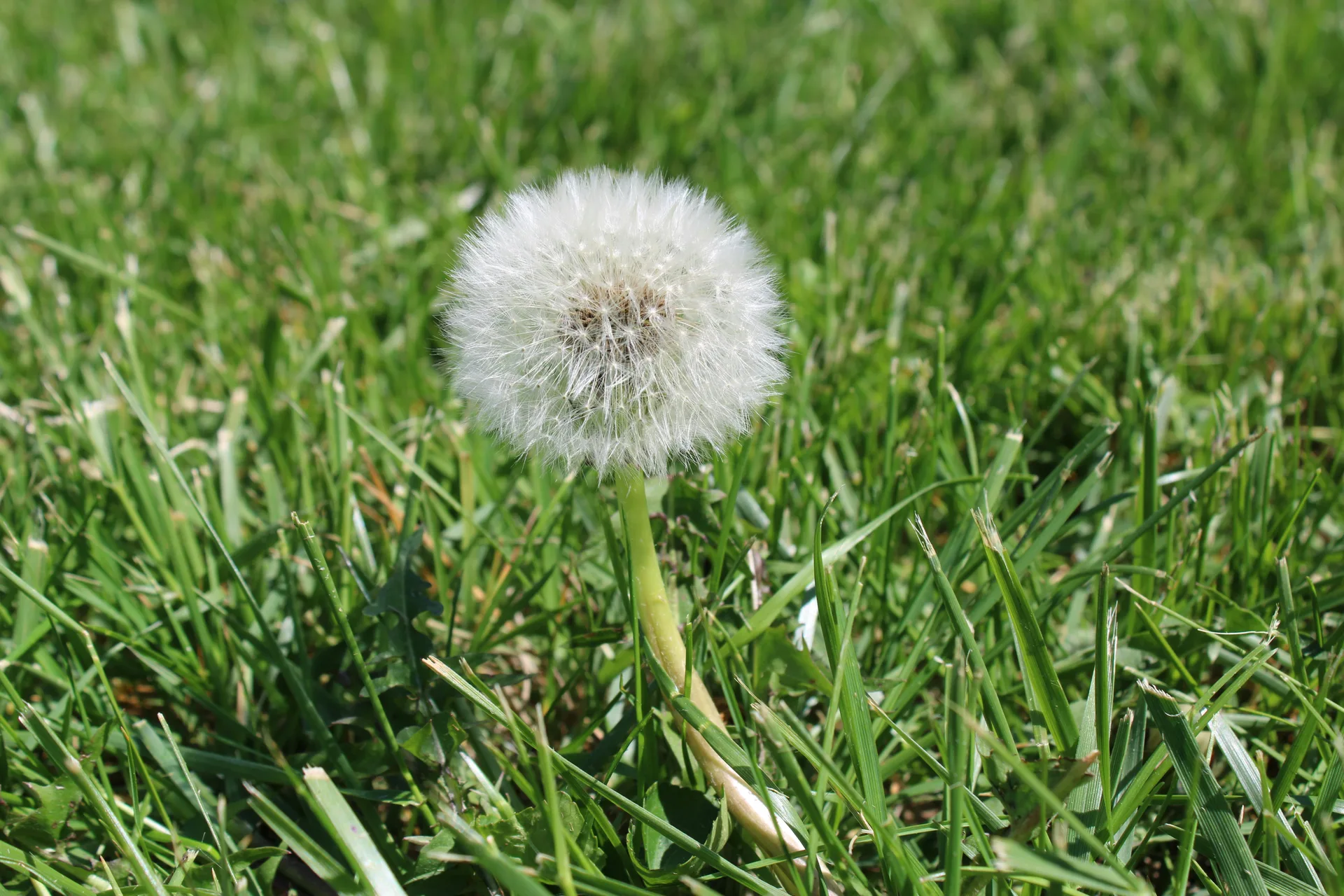
Pre-emergent herbicide is the single most effective weed control tool available. It stops crabgrass, goosegrass, and spurge before they ever break the surface. Miss the window and you spend the entire summer fighting weeds that have already established root systems. Post-emergent herbicides work on existing weeds, but they are less effective and require repeat applications.
In Middle Georgia, the first pre-emergent window is late February to early March when soil temperatures hit 55 degrees. The second window is mid-April. A split application covers both crabgrass (early germinator) and goosegrass and spurge (later germinators). Many homeowners either apply too late, skip the second round, or skip pre-emergent entirely and then wonder why their lawn fills with weeds by June.
Using the Wrong Products
Big box stores sell lawn care products designed for national audiences. The fertilizer blend on the shelf was formulated for a range of climates, soil types, and grass species. Professional-grade products are formulated for specific grass types, soil conditions, and regional weed pressure. The difference in results is significant.
We also see homeowners apply herbicides that are not labeled for their grass type. Certain post-emergent herbicides will kill centipede and St. Augustine. Applying a bermuda-safe product to a centipede lawn can cause serious damage or death. Always check the label for your specific grass type before applying any product. If you are not sure what grass you have, do not spray anything until you find out.
Treating Symptoms Instead of Causes
A homeowner sees weeds and buys weed killer. Sees brown patches and buys fertilizer. Sees thin spots and throws down seed. These are all symptom treatments. The weeds are there because pre-emergent was missed or the lawn is thin from compaction. The brown patches are from insects, disease, or soil problems. The thin spots are from shade, traffic, or wrong grass type.
Effective lawn care addresses root causes. A healthy, thick lawn resists weeds naturally because it leaves no room for them to germinate. A lawn with deep roots and proper nutrition resists disease and drought. Treating the symptom without fixing the cause means you will be fighting the same problem again next month. That cycle gets expensive and frustrating.
This is where a professional program pays for itself. We do not just spray what is visible. We build a program that addresses soil health, nutrient timing, and weed prevention in sequence. The goal is a lawn that does most of the work itself because it is healthy enough to crowd out problems. Get a quote on a program that fixes causes, not symptoms.
Not Adjusting for Grass Type
Bermuda, centipede, zoysia, and St. Augustine all have different needs. Different mowing heights, different fertilization rates, different watering schedules, and different herbicide tolerances. Treating all grass the same is a guaranteed path to problems. We see this constantly in neighborhoods across Macon and Kathleen where bermuda and centipede lawns sit side by side.
The homeowner with centipede copies what the neighbor with bermuda does. Heavy nitrogen, low mowing height, frequent watering. The bermuda lawn thrives. The centipede lawn declines. Know your grass type and treat it accordingly. If you have mixed grass in different areas of your yard, each zone needs its own approach.
Key takeaways
What to Remember
Over-fertilizing centipede grass is the most common mistake we see in Middle Georgia. Keep nitrogen under 2 lbs per 1,000 sq ft per year.
Daily light watering creates shallow roots. Switch to 2 to 3 deep sessions per week for stronger, more drought-tolerant turf.
Every grass type has a specific mowing height. Cutting below it invites weeds and stress.
A $15 soil test reveals pH and compaction problems that no amount of fertilizer can fix.
Pre-emergent herbicide applied at the right time prevents 80 percent of summer weed problems.
Know your grass type and treat it accordingly. What works for bermuda can damage centipede.
Common questions
Frequently Asked Questions
What is the biggest lawn care mistake homeowners make?
Mowing too short. Scalping your lawn weakens root systems, exposes soil to sunlight, and gives weeds an easy foothold. Over-fertilizing centipede grass is a close second, especially in Middle Georgia where centipede is common.
How often should I mow my Georgia lawn?
During peak growing season, bermuda lawns need mowing every 5 to 7 days. Zoysia and centipede grow slower and can go 7 to 10 days between cuts. Never remove more than one-third of the blade height in a single mow.
Can I use the same fertilizer on bermuda and centipede?
No. Bermuda needs 3 to 4 pounds of nitrogen per 1,000 square feet per year. Centipede only needs 1 to 2 pounds. Using bermuda-rate fertilizer on centipede causes thatch buildup, disease susceptibility, and winter kill. Always match the product and rate to your grass type.
Why does my lawn have weeds even though I treat it?
Most weed problems start with a missed or late pre-emergent application. If crabgrass and other summer annuals have already germinated, post-emergent treatments are less effective and require multiple applications. A properly timed pre-emergent program in late February and mid-April prevents the majority of summer weeds.
Is it worth getting a soil test for my lawn?
A soil test from your county extension office costs about $15 and tells you exact pH levels, nutrient deficiencies, and organic matter content. Most Middle Georgia soils need lime to correct acidic pH. Without a soil test, you are guessing at what your lawn actually needs.
Keep reading
Related Resources
More in Lawn Tips
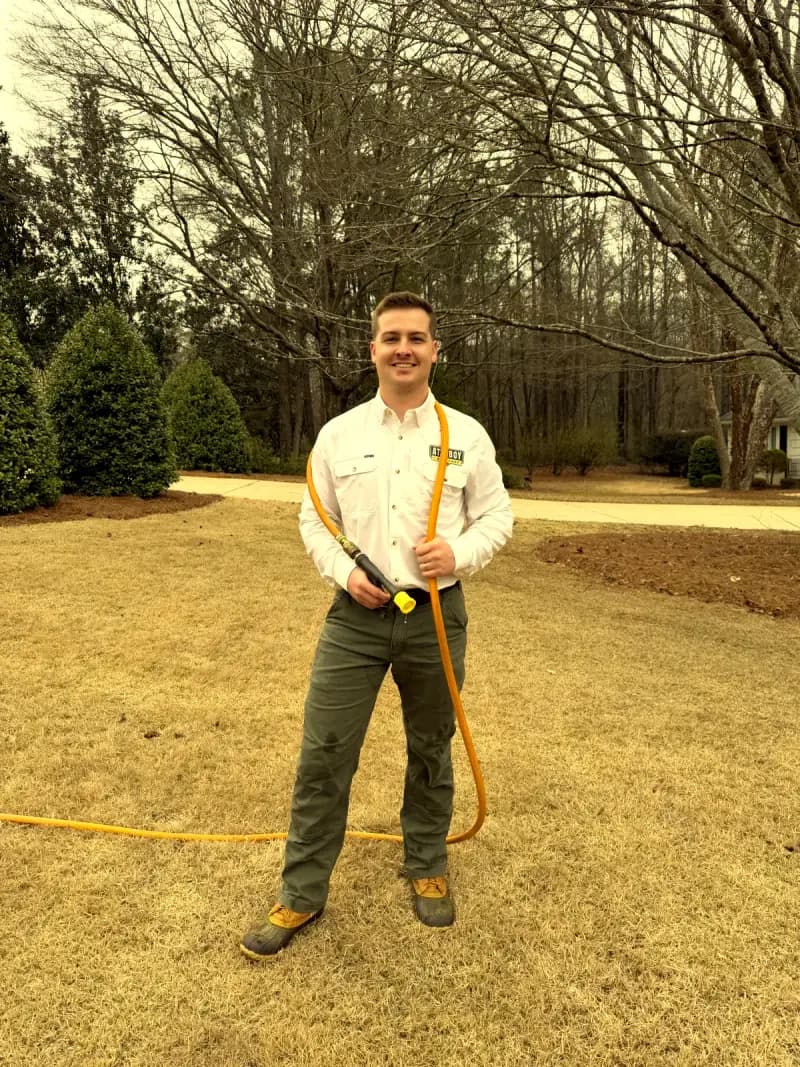
Written by Tyler Warnock
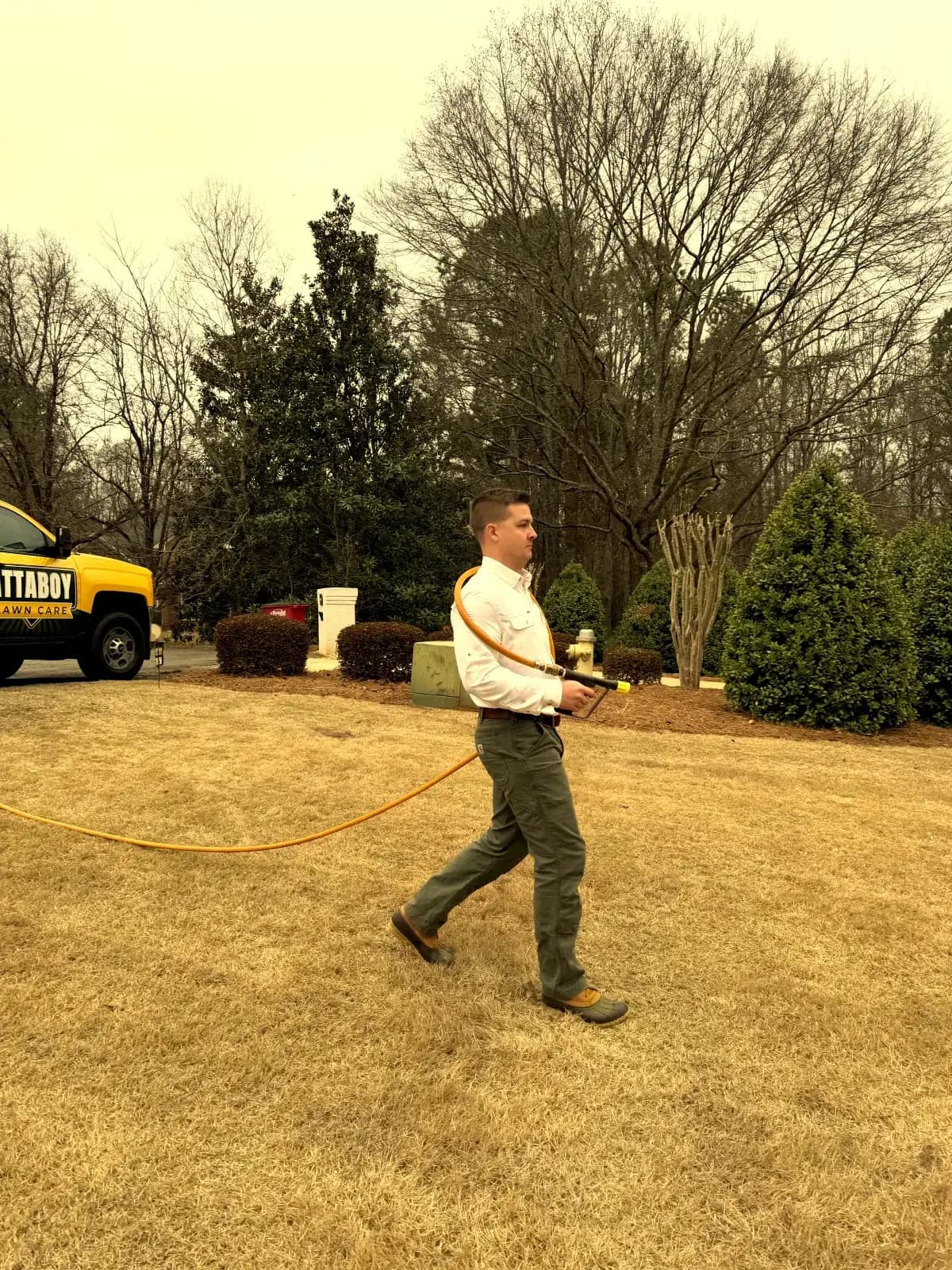
Founder and owner of Attaboy Lawn Care in Macon, Georgia. Licensed Georgia pesticide applicator (Cat. 24, #22324). Tyler treats lawns across Macon, Warner Robins, and the rest of Middle Georgia, and writes these guides from what the region’s bermuda, zoysia, and centipede yards actually do season to season.
Ready for results?
Get a Custom Quote for Your Lawn
Professional lawn care for Macon, Warner Robins, and Middle Georgia. No contracts, no obligation.