
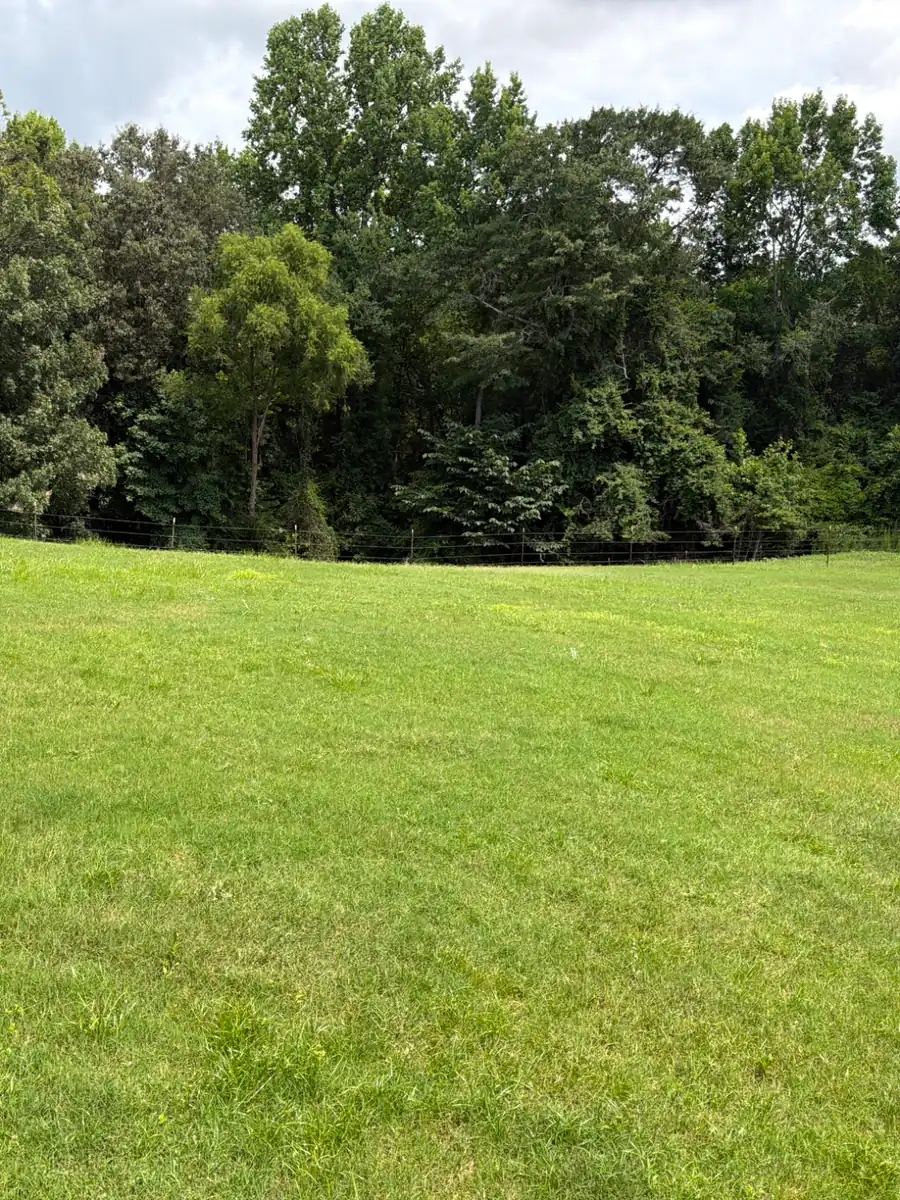
How to Reduce Lawn Stress During Summer
Summer in Middle Georgia is brutal. Temps above 95°F, dry spells, and relentless sun can push even healthy Bermuda grass to the edge. Here's how to keep your lawn green through August.
Summer lawn stress in Middle Georgia comes down to heat and shallow roots, and most heat-stressed Bermuda is not dead. Water 1 inch per week in 2 to 3 deep sessions before 9 a.m. Mow at 1 to 1.5 inches. Skip heavy nitrogen on stressed turf. Most lawns green back up within 7 to 14 days once temps drop.
What Heat Stress Actually Does to Your Bermuda Grass
When soil temperatures stay above 90°F for days at a time, your grass slows growth, pulls water inward, and sacrifices leaf tissue to protect its root system. That is not disease. That is survival mode.
Bermuda grass is one of the best grasses for Middle Georgia summers because it tolerates heat. But tolerates is not the same as immune. Even Bermuda hits its limit when air temps push past 95°F for weeks straight, which is exactly what Macon, Warner Robins, and Bonaire see every July and August.
Most heat-stressed Bermuda is not dead. The crowns and root system are usually intact. With the right moves, your lawn can recover faster than you expect.
Tug a handful of grass firmly. If it pulls out easily with roots attached, the crown is gone. If it resists, the plant is alive.
Check soil moisture 4 to 6 inches down before assuming drought damage. A dry surface does not always mean dry roots.
Do not confuse heat stress with large patch disease. Large patch shows circular patterns with orange-tan borders, not the uniform thinning of heat stress.
Signs Your Lawn Is Heat Stressed
Heat stress and drought stress look similar but are not the same problem. Drought stress happens when there is not enough water in the soil. Heat stress happens when temps are so high that the grass cannot cool itself efficiently, even when moisture is present.
The most common signs are footprinting (grass blades stay flat after you walk across them instead of bouncing back), a blue-gray tint before discoloration sets in, and wilting along blade tips. As things worsen, patches turn tan or straw-colored, typically in south-facing and open areas first, since they receive the most direct sun.
Lawns near concrete driveways, curbs, or sidewalks tend to show stress first. Those surfaces hold radiant heat and push soil temps higher along their edges.
Heat Stress vs. Other Common Summer Lawn Problems
| Symptom | Heat Stress | Drought Stress | Large Patch Disease |
|---|---|---|---|
| Color change | Tan/straw, uniform | Tan/straw, uniform | Orange-tan with defined edge |
| Pattern | Open sunny areas first | Widespread, follows sun | Circular or irregular patches |
| Footprinting | Yes, blades stay flat | Yes, blades stay flat | Not a key sign |
| Root condition | Usually intact | Usually intact | Rotted at base of blade |
| Recovery with water | Fast (days to weeks) | Fast (days) | Slow, needs fungicide |
| Timing | Peak summer heat | Any dry stretch | Fall and spring in Georgia |
Water Deeply and Less Often. Stop Daily Light Watering
The most common watering mistake we see in Middle Georgia is running sprinklers every day for 10 or 15 minutes. That pattern keeps the top inch of soil moist and trains roots to stay shallow. When the surface dries out fast in 95°F heat, shallow roots have nothing to hold onto.
Bermuda grass needs about 1 inch of water per week during summer, applied in 2 to 3 deep sessions. That means running your sprinklers long enough to put down half an inch at a time, two or three times per week. To measure, set a tuna can or straight-sided cup in the spray zone. When it holds an inch, you have hit your target.
Most rotary sprinkler heads take 45 to 60 minutes to deliver 1 inch of water. Oscillating sprinklers often take longer. If you are running zones for 20 minutes, you are likely applying between 0.3 and 0.5 inches depending on your heads and water pressure, not enough to push moisture down to the root zone.
Water early in the morning, before 9 a.m. if possible. This limits evaporation and gives blades time to dry before nightfall, which reduces disease pressure from pythium blight and gray leaf spot.
Do the tuna can test to calibrate your system. Place 3 to 4 cans in different zones, run each zone for 15 minutes, measure the depth, and calculate the run time needed for a full inch.
Water between 5 a.m. and 9 a.m. Evening watering keeps the lawn wet overnight and invites fungal disease.
If your lawn is on a slope, run shorter cycles with breaks to let water absorb before it runs off.
Skip a watering day after rain. One inch from the sky counts toward your weekly total.
Crispy tan Bermuda in August is often dormant, not dead. Check root health before making changes to your watering schedule.
Mow at the Right Height. Short or Long?
For Bermuda grass, keep it short. Mow at 1 to 1.5 inches. Not 2 inches. Not 3. Short Bermuda stays dense, chokes out weeds, and handles heat better than tall growth.
Taller grass might seem like it would shade the soil, but Bermuda does not work that way. When Bermuda grows tall and gets cut back hard, you scalp it, removing too much green leaf tissue at once and stripping the photosynthetic surface the plant needs to recover from stress. The one-third rule applies here: never remove more than one-third of the blade height in a single mow.
During extreme heat waves (a week where daytime temps stay above 98°F), it is fine to skip a mow if growth has slowed. Stressed grass does not need the added trauma of cutting. Resume your normal schedule once temps drop back into the low 90s.
Keep your mower blade sharp. A dull blade tears grass instead of cutting it cleanly, leaving ragged tips that brown and make the whole lawn look worse. Sharpen or replace blades at least once a season.
Fertilizing in Summer: What to Do and What to Skip
Bermuda grass uses nutrients efficiently when it is actively growing, roughly mid-April through mid-September in Middle Georgia. A properly timed early-summer feeding supports healthy color and root depth heading into the hottest weeks.
By late July and August, you are approaching the end of the fertilization window. Pushing heavy nitrogen on heat-stressed turf can cause more harm than good. Nitrogen drives top growth, and new tender growth burns fastest when temps spike. If your last application was more than 6 to 8 weeks ago, a light feeding with a balanced or lower-nitrogen fertilizer is reasonable. Skip it if your lawn is already showing severe stress.
Stop all fertilization by mid-September. Nitrogen applied after that point pushes new growth that will not harden off before the first frost, leaving your lawn vulnerable heading into fall. Our fertilization program is built around Middle Georgia's seasonal calendar to avoid this problem.
Georgia's red clay soils are often low in potassium, and potassium improves drought tolerance and heat resistance. University of Georgia Extension recommends a soil test every 2 to 3 years to know exactly where your lawn stands. It removes the guesswork from every fertilization decision going forward.
Should You Aerate in July or August?
Core aeration in July is possible for Bermuda, but not ideal. Bermuda bounces back from aeration quickly because it spreads aggressively via stolons and rhizomes. Recovery is not the concern. The concern is adding physical stress on top of heat stress during the hottest stretch of the year.
The better windows for aerating Bermuda in Middle Georgia are late spring (May to early June) or early fall (late August to mid-September, before temps drop consistently below 75°F). If your lawn is severely compacted and struggling, late August is a reasonable compromise. Bermuda can still recover before dormancy.
Aeration works best when paired with a follow-up watering plan. Freshly pulled cores leave the soil temporarily more vulnerable to drying out. Water more frequently for the first 1 to 2 weeks after aerating to keep the root zone from drying through those open channels.
Note: when we schedule core aeration, lead time is longer than our standard treatments. We rent the equipment, so we cannot always turn it around in 24 hours the way we can with a weed control or fertilization visit.
Aerate when soil is moist but not saturated. Bone-dry clay will not release clean cores, and waterlogged soil makes a mess.
Leave pulled cores on the surface. They break down within a few weeks and return organic matter to the soil.
Do not aerate a lawn treated with a pre-emergent in the past 60 days. You will break the chemical barrier and open the door for weeds.
How Long Does It Take for Grass to Recover from Heat Stress?
Recovery time depends on how long the lawn was stressed and whether the root system stayed intact. Bermuda that dried out for a week or two but kept its roots will typically show new green growth within 7 to 14 days once temperatures drop and watering resumes.
Lawns that sat dormant or severely stressed for four to six weeks may take three to four weeks to fill back in, especially where stress killed sections of turf and left bare spots. Bermuda spreads laterally from healthy areas, so bare spots adjacent to actively growing turf fill faster than isolated dead patches in the middle of the yard.
The fastest path to recovery is consistent execution of the basics: deep, infrequent watering to rebuild root depth. Mowing at 1 to 1.5 inches once growth resumes. And a light feeding when daytime temps drop back below 90°F. Heavy fertilizer will not speed things up and often makes stressed turf worse.
When to Call for Help Instead of Going It Alone
Some summer lawn problems are straightforward. Water more, mow correctly, wait for cooler weather. But some of what looks like heat stress is something else. Chinch bug damage, gray leaf spot, and pythium blight all appear in summer and are commonly misread as heat stress or drought.
If you have corrected your watering and the lawn is still declining, or if you are seeing defined patch patterns, slimy-looking grass in low spots, or damage spreading rapidly overnight, that warrants a closer look. Fungal disease and insect damage need specific treatments, not better irrigation.
We serve Macon, Warner Robins, Byron, Centerville, Kathleen, Bolingbroke, Bonaire, and surrounding areas across Middle Georgia. If your lawn is not responding to what you are doing, reach out. We will give you a straight answer about what we think is going on. Call us at (478) 400-9897 or get started with a Get Quote.
Key takeaways
What to Remember
Water Bermuda 1 inch per week in 2 to 3 deep sessions, not daily short cycles. Shallow watering builds shallow roots that fail fast in summer heat.
Mow Bermuda at 1 to 1.5 inches all summer. Taller is not better for this grass type. Never remove more than one-third of the blade in one mow.
Stop fertilizing by mid-September. Late nitrogen pushes soft growth that cannot handle fall stress or the first frost.
Heat stress recovery takes 7 to 14 days with proper watering if roots are intact. Severe or prolonged stress can take 3 to 4 weeks to fill back in.
Not all summer lawn decline is heat stress. Chinch bugs, gray leaf spot, and pythium blight show up at the same time of year and require different treatment.
Aerate in late May, early June, or late August. Not during peak summer heat unless compaction is severe enough to justify the added stress.
Common questions
Frequently Asked Questions
How do you fix heat stressed grass in summer?
First, confirm the roots are still alive by tugging a few plugs. Healthy crowns will resist pulling. If the plant is alive, resume deep watering: half an inch per session, two to three times per week. Hold off on mowing until you see new growth returning, and avoid heavy fertilizer on stressed turf. Most Bermuda shows recovery within 7 to 14 days once temps drop below 90°F and consistent deep watering resumes.
Is it better to cut Bermuda grass short or long in summer?
Short. Bermuda should be mowed at 1 to 1.5 inches year-round in Middle Georgia, including the hottest months. Taller growth does not protect the soil the way it might with other grass types. It makes Bermuda more vulnerable by reducing air circulation and setting up a hard scalp when you eventually cut it back. Keep your blade sharp and never remove more than one-third of the blade height in a single mow.
Is July too late to aerate a lawn?
Not too late, but July and early August are not the best windows for Bermuda in Middle Georgia. Aeration adds physical stress, and stacking that on top of peak heat stress is not ideal. Late August is a better target. Bermuda is still actively growing and has enough time to recover before cooler weather slows it down. Late May to early June is the other strong window if you missed spring.
How long does it take for grass to recover from heat stress?
Bermuda stressed for one to two weeks typically rebounds in 7 to 14 days once conditions improve and deep watering resumes. Longer periods of stress (four to six weeks of severe heat and drought) can take three to four weeks for the lawn to fill back in, especially where sections died and left bare spots. Consistent deep watering and correct mowing height are the main tools. Heavy fertilizer will not accelerate recovery and can make stressed turf worse.
What are the signs that my lawn is heat stressed?
Early signs include footprinting (grass blades stay flat after you walk on them) and a blue-gray tint across the turf. As stress increases, blades wilt and tips begin to brown. Eventually, patches turn tan or straw-colored, usually starting in the most sun-exposed areas and along hot pavement. Unlike large patch disease, heat stress does not produce circular patches with defined orange-tan borders.
How long should I run my sprinklers to put down 1 inch of water?
Most rotary heads take 45 to 60 minutes per zone to deliver 1 inch of water. Oscillating sprinklers often take longer. The only accurate way to know is the can test: place straight-sided containers in the spray zone, run your system for 15 minutes, measure the depth collected, then calculate the run time needed for a full inch. Most homeowners discover they are applying far less water than they assumed.
Is 10 minutes of watering the lawn enough?
No, not for established Bermuda in Middle Georgia summers. Ten minutes of irrigation typically delivers only 0.1 to 0.2 inches of water depending on your system. That moistens the top inch of soil and evaporates quickly in summer heat. You need 0.5 inches per session, two to three times per week, to push moisture down into the root zone where it actually helps the grass survive heat stress.
How many inches of water does 20 minutes of watering deliver?
With standard rotary sprinkler heads, 20 minutes typically delivers roughly 0.3 to 0.5 inches of water. That number varies based on head type, spacing, and water pressure. Some lower-output heads may only deliver 0.2 inches in 20 minutes. Do the can test to get an accurate figure for your specific system before building a watering schedule around it.
Keep reading
Related Resources
More in How-To Guides
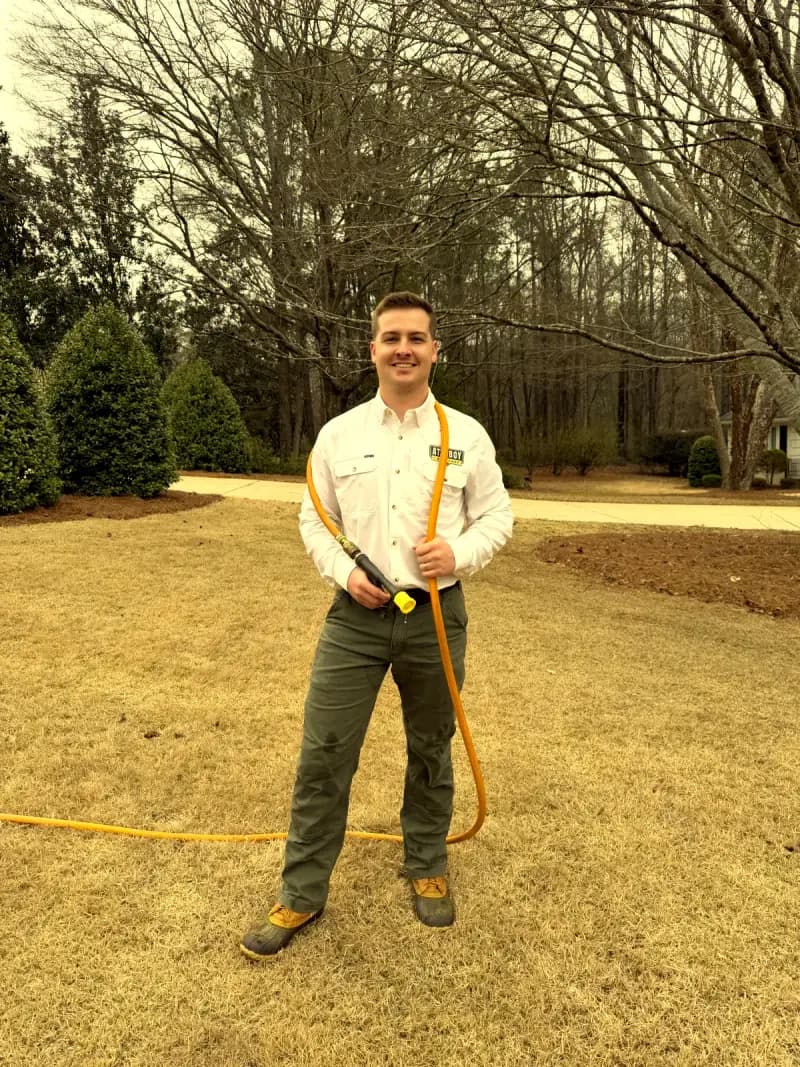
Written by Tyler Warnock
Founder and owner of Attaboy Lawn Care in Macon, Georgia. Licensed Georgia pesticide applicator (Cat. 24, #22324). Tyler treats lawns across Macon, Warner Robins, and the rest of Middle Georgia, and writes these guides from what the region’s bermuda, zoysia, and centipede yards actually do season to season.
Ready for results?
Get a Custom Quote for Your Lawn
Professional lawn care for Macon, Warner Robins, and Middle Georgia. No contracts, no obligation.