How to Improve Clay Soil in Georgia
Middle Georgia clay soil is dense, acidic, and compacted. Fixing it takes specific steps, but the results transform how your lawn performs.
Improving Middle Georgia clay soil takes core aeration, pH correction, and organic matter added over multiple seasons. Start with a soil test from UGA Extension, about $10. Core aerate once or twice a year, apply lime right after aeration, and mulch clippings instead of bagging them. Meaningful improvement takes 1 to 2 years. Never add sand.
Why Georgia Clay Is Tough on Lawns
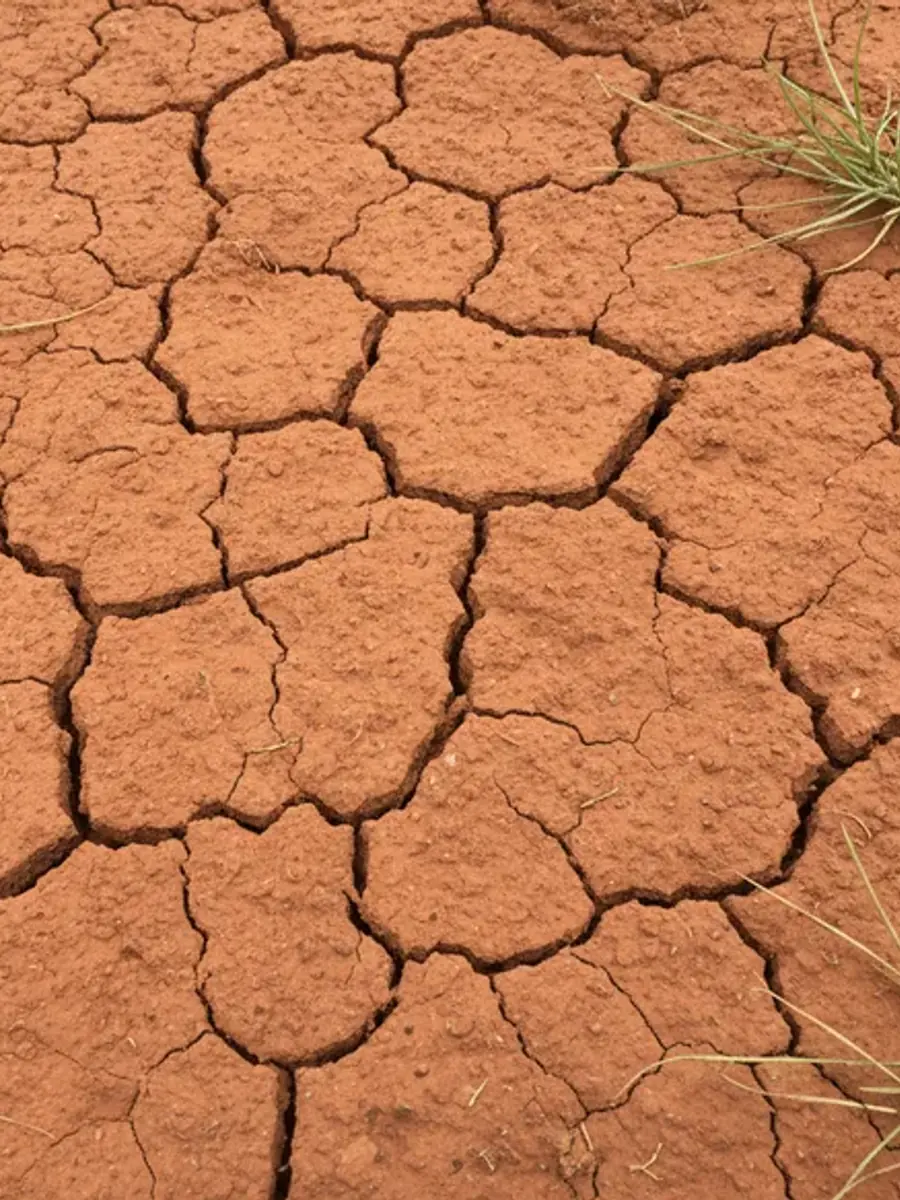
Middle Georgia soil is predominantly red clay with a naturally acidic pH, typically between 5.0 and 6.0. Clay particles are microscopic and pack together tightly, creating compaction that restricts water infiltration, air exchange, and root growth. When clay dries out, it becomes brick-hard. When saturated, it turns to sticky mud. Neither extreme is good for growing grass.
The red color comes from iron oxide in the clay. It stains everything it touches, which most homeowners already know. What they may not realize is that the same iron content affects nutrient availability. Iron-rich clay can bind phosphorus, making it unavailable to grass roots even when soil tests show adequate phosphorus levels. That is one reason why clay soils often need different fertilizer strategies than sandy soils.
New construction properties in Macon and Warner Robins often have the worst compaction because heavy equipment compressed the subsoil during grading. Builders typically spread 2 to 4 inches of topsoil over that compacted base, which is not enough for healthy root growth. Within a year or two, the thin topsoil layer compacts as well, and the lawn starts declining.
Start With a Soil Test
Before you spend money on amendments, find out what your soil actually needs. The UGA Cooperative Extension office in Bibb County and Houston County both offer soil testing for about $10. They will tell you your soil pH, nutrient levels, and organic matter content. That information tells you exactly what to apply and how much.
Most Middle Georgia lawns test between 5.0 and 5.8 pH. Bermuda grass performs best between 6.0 and 6.5. Centipede tolerates more acidity and does fine at 5.5 to 6.0. Without a soil test, you are guessing. And guessing usually means either wasting money on lime you do not need or starving the lawn because nutrients are locked up at the wrong pH.
Collect samples from 6 to 8 spots across your lawn at 4-inch depth. Mix them together in a clean bucket and take about a cup of the mixed sample to the extension office. Test every 2 to 3 years to track changes and adjust your program.
Contact UGA Extension in Bibb or Houston County for a soil test kit.
Sample from 6 to 8 spots at 4-inch depth and mix together.
Test every 2 to 3 years to track improvement.
Core Aeration Breaks Up Compaction
Core aeration is the single most effective mechanical treatment for compacted clay soil. The machine pulls 2 to 3 inch plugs from the soil, creating channels for water, air, and nutrients to penetrate the root zone. Aerate once or twice per year in late spring or early fall when the grass is actively growing. Leave the plugs on the lawn. They break down and return organic matter to the soil surface.
For heavy Bibb County clay, once a year is not enough for the first few years. Twice-a-year aeration (spring and fall) accelerates improvement noticeably. After 3 to 4 years of consistent aeration, you will feel the difference when you walk across the lawn. The soil gives slightly underfoot instead of feeling like concrete.
The machine matters. A core aerator that pulls actual plugs is the only option that works on clay. Spike aerators (the kind you strap to your shoes) actually make compaction worse because they press the clay tighter around the holes. Rent a core aerator from a local equipment rental shop, or hire a professional to do it.
Aerate when soil is moist but not saturated for best plug depth.
Annual aeration is minimum for heavy clay. Twice a year is better for the first few years.
Leave plugs on the surface. They decompose and add organic matter.
Never use spike aerators on clay soil. Core aerators only.
Correcting Soil pH with Lime
A soil test will tell you exactly where your pH stands. Most Middle Georgia lawns benefit from lime application to raise pH toward the 6.0 to 6.5 range where nutrients are most available. Pelletized lime is easy to spread and breaks down over several months. Do not guess on lime rates. Apply based on soil test recommendations. Too much lime is just as problematic as too little.
Lime works best when it can get into the soil profile, not just sit on the surface. The best time to apply lime is right after core aeration. The holes from aeration give lime a direct path to the root zone instead of slowly working its way down through compacted clay. This combination of aeration plus lime is one of the highest-impact treatments for Middle Georgia lawns.
Be patient with lime. It takes 2 to 3 months to measurably change soil pH. You will not see visual results right away. But the following spring, your fertilizer will work noticeably better because nutrients become more available as pH moves into the right range.
Get a soil test through your county extension office before applying lime.
Pelletized lime is easier to apply than powdered lime.
Apply lime right after aeration for faster soil penetration.
Results take 2 to 3 months. Lime is not an instant fix.
Building Organic Matter Over Time
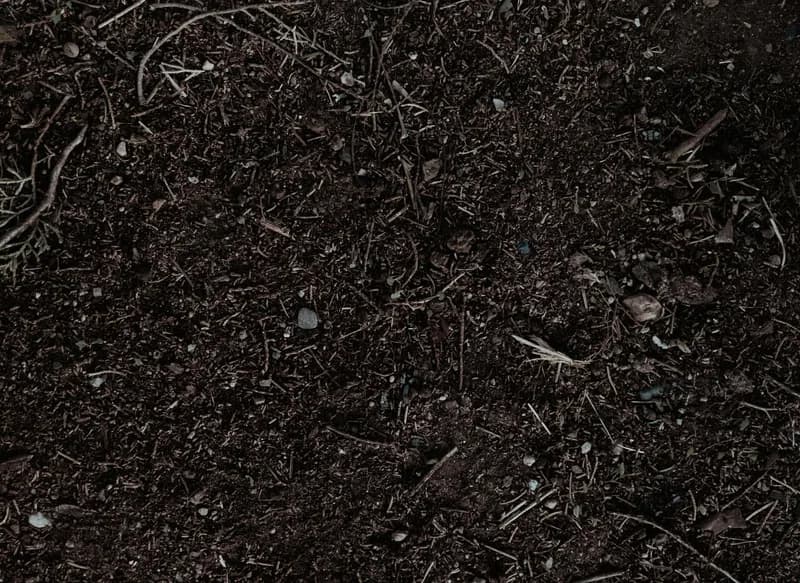
Clay soil improves over time as organic matter is added. Mulching grass clippings instead of bagging returns organic material to the soil surface. Topdressing with compost after aeration introduces beneficial organisms. Soil conditioning products that contain humic acid and beneficial microbes accelerate the natural process of breaking down compacted clay into looser, more productive soil.
Think of organic matter as the long game. Every time you mulch clippings, you deposit a thin layer of decaying plant material on the soil surface. Over months and years, earthworms and microbes work that material into the clay, creating pore space and improving drainage. Bagging your clippings removes that free organic matter from the system.
Professional soil conditioning programs use concentrated humic acid, seaweed extracts, and targeted microbe blends that speed up this natural process. One growing season of professional soil conditioning can produce changes that would take 3 to 4 seasons with mulching alone. It is the fastest path to measurable improvement in clay soil structure.
Drainage Solutions for Problem Areas
Some clay soil problems go beyond compaction and pH. If water pools in certain areas of your yard for hours after a rain, you may have a drainage issue that aeration alone cannot solve. Low spots collect runoff from surrounding areas and stay saturated, which kills grass roots and breeds mosquitoes.
French drains, dry creek beds, and regrading are the typical solutions for persistent drainage problems in Middle Georgia yards. These are not lawn care treatments. They are landscape construction projects that may require a contractor. But fixing the drainage first makes everything else you do for the soil work better.
Before assuming you need a drain, check if compaction alone is causing the pooling. Core aerate the wet area and see if water infiltration improves over the next few rains. Many "drainage problems" in Middle Georgia are actually compaction problems that aeration can fix for a fraction of the cost.
What to Expect: A Realistic Timeline
Improving clay soil is not a one-time project. It is a multi-season process that requires consistency. Here is a realistic timeline for what most Middle Georgia homeowners experience when they commit to a soil improvement program.
Year one: you will see better water absorption after aeration and noticeable color improvement from pH correction. The lawn looks healthier, but the soil still feels firm underfoot. Year two: organic matter is building up. The soil starts to feel slightly softer after rain instead of slick and saturated. Fertilizer performance improves visibly. Year three and beyond: the lawn thickens, weed pressure drops because dense turf crowds out seeds, and the soil holds moisture better during drought.
The homeowners who see the best results are the ones who combine multiple approaches: core aeration twice a year, lime based on soil test results, mulching clippings, and professional soil conditioning treatments. Doing just one of these helps. Doing all of them transforms the lawn.
Key takeaways
What to Remember
Get a soil test before spending money on amendments. UGA Extension offers tests for about $10.
Core aeration is the single most effective treatment for compacted clay. Do it at least once a year, twice for the first few years.
Apply lime right after aeration for the fastest pH correction. Results take 2 to 3 months.
Never add sand to clay soil. It makes compaction worse, not better.
Mulch grass clippings instead of bagging them. Free organic matter improves clay structure over time.
Meaningful clay soil improvement takes 1 to 2 years of consistent treatment, but visible results start within months.
Common questions
Frequently Asked Questions
How long does it take to improve clay soil?
Meaningful improvement takes 1 to 2 years of consistent treatment with annual aeration, pH correction, and organic matter addition. You will see differences within months, but transforming heavy clay into productive soil is a multi-season process.
Should I add sand to clay soil?
No. Adding sand to clay creates a concrete-like mixture that is worse than clay alone. You would need to add more sand than soil to change the texture, which is impractical for a lawn. Organic matter and proper aeration are the correct approach.
How much does a soil test cost in Georgia?
The UGA Cooperative Extension office charges about $10 for a standard soil test. They test pH, nutrient levels, and organic matter content, and provide specific amendment recommendations for your soil.
Can I aerate clay soil myself?
Yes, you can rent a core aerator from most equipment rental shops for about $75 to $100 per day. Make sure you get a core aerator, not a spike aerator. Spike aerators actually increase compaction in clay soil.
What is the best time to aerate clay soil in Georgia?
Late spring (April to May) and early fall (September to October) are the best windows for warm-season grass lawns. The grass is actively growing during these periods and recovers quickly from aeration.
Keep reading
Related Resources
More in How-To Guides
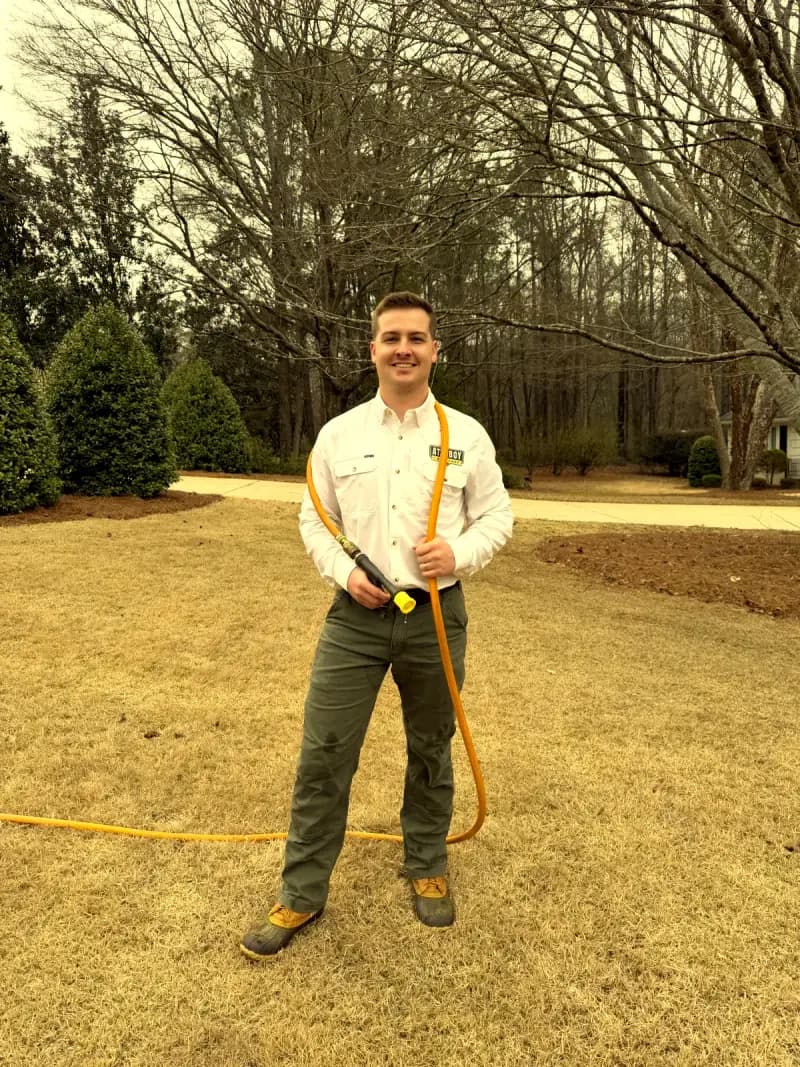
Written by Tyler Warnock
Founder and owner of Attaboy Lawn Care in Macon, Georgia. Licensed Georgia pesticide applicator (Cat. 24, #22324). Tyler treats lawns across Macon, Warner Robins, and the rest of Middle Georgia, and writes these guides from what the region’s bermuda, zoysia, and centipede yards actually do season to season.
Ready for results?
Get a Custom Quote for Your Lawn
Professional lawn care for Macon, Warner Robins, and Middle Georgia. No contracts, no obligation.