
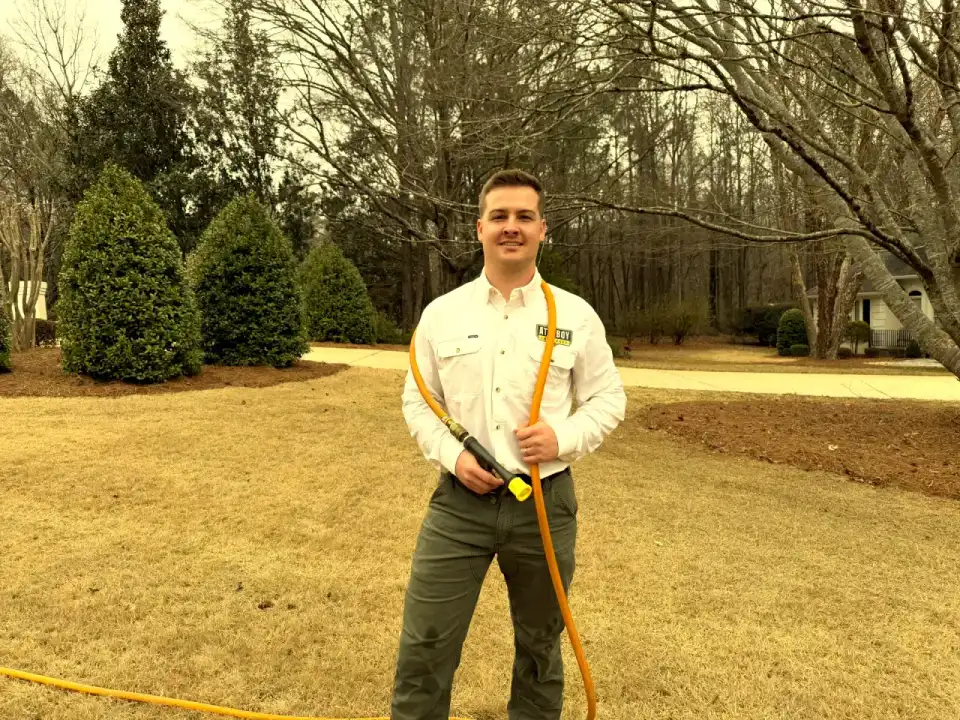
Soil Testing in Georgia
You cannot fix what you cannot measure. A soil test tells you exactly what your lawn needs (and what it does not) so you stop guessing and start growing.
Overview
What You Will Learn
A soil test is the most cost-effective investment you can make in your lawn. For about $10 through the University of Georgia Extension, you get a detailed breakdown of your soil's pH, nutrient levels, and organic matter content. This data eliminates guesswork and prevents you from applying the wrong products, saving money and avoiding damage to your turf. Every lawn in Middle Georgia should be tested at least once every two to three years.
Why Soil Testing Matters in Georgia
Middle Georgia soils are predominantly clay-based with naturally acidic pH levels, typically ranging from 5.0 to 6.0. Most warm-season grasses perform best at a pH between 6.0 and 6.5 (centipede prefers 5.0 to 6.0). If your soil is too acidic, nutrients like nitrogen, phosphorus, and potassium become chemically locked up. Even if they are present in the soil, your grass cannot absorb them. A soil test reveals these imbalances so you can correct them with the right amendments. Without a soil test, you are guessing at what your lawn needs.
Georgia clay soils are naturally acidic. Lime applications are common.
Centipede grass prefers more acidic soil than bermuda or zoysia.
Test every 2 to 3 years, or after major lawn renovations.
How to Collect a Soil Sample
Collecting a soil sample is straightforward. You need a clean bucket, a garden trowel or soil probe, and a plastic bag. Walk a zigzag pattern across your lawn and take 8 to 12 small cores from a 4 to 6-inch depth. Avoid sampling near sidewalks, driveways, or heavily fertilized flower beds. These areas skew results. Mix all the cores together in the bucket, break up any clumps, and let the soil air-dry for 24 hours. Fill a pint-sized bag with the dried soil and label it with your name and the sample area (front yard, back yard, or whole property).
Take samples from 4 to 6 inches deep. Surface soil gives incomplete data.
Collect 8 to 12 cores across the area for an accurate average.
Do not sample when soil is waterlogged. Wait for it to dry out.
Where to Send Your Sample
The University of Georgia Extension Service offers soil testing for about $10 per sample. You can drop off samples at your local county Extension office, in Bibb County (Macon) or Houston County (Warner Robins). Results typically come back within 5 to 10 business days and include pH level, nutrient levels (phosphorus, potassium, calcium, magnesium, zinc, manganese), and specific lime and fertilizer recommendations based on the grass type you specify. Private labs are also available for more detailed analysis, but the UGA Extension test covers everything most homeowners need.
Specify your grass type on the submission form for tailored recommendations.
Test front and back yards separately if they have different grass types or conditions.
Fall is an excellent time to test so you can apply lime before spring green-up.
When to Test and How Often
Test your soil every two to three years for established lawns. If you are dealing with persistent problems (poor color, thin spots, disease, or weeds that will not respond to treatment), test sooner. The best times to sample are late summer through fall (August to October) or late winter (January to February). Testing in fall gives you time to apply lime or other amendments before the spring growing season begins. Avoid testing immediately after fertilizing or liming, as recent applications skew the nutrient readings.
Test in fall so amendments have time to work before spring growth.
Wait at least 6 to 8 weeks after liming or fertilizing before testing.
New construction homes should test immediately. Builders often strip topsoil.
Key takeaways
What to Remember
A UGA Extension soil test costs about $10 and eliminates guesswork.
Georgia clay soils are naturally acidic. Most lawns need periodic lime.
Collect 8 to 12 cores from 4 to 6 inches deep for an accurate sample.
Test every 2 to 3 years, or sooner if your lawn is struggling.
Fall testing gives you time to correct pH before the growing season.
Common questions
Frequently Asked Questions
How much does a soil test cost in Georgia?
A standard soil test through the University of Georgia Extension Service costs about $10 per sample. Drop off your sample at your local county Extension office. Results include pH, nutrient levels, and lime and fertilizer recommendations.
What does a soil test tell you?
A soil test measures pH level, phosphorus, potassium, calcium, magnesium, and other micronutrients. It also provides specific lime and fertilizer recommendations based on your grass type.
How deep should I take soil samples?
Collect samples from 4 to 6 inches deep. Surface samples do not represent the root zone where nutrient uptake actually happens. Use a garden trowel or soil probe to get consistent depth.
Can I test my soil myself with a home kit?
Home test kits provide a rough estimate of pH and major nutrients, but they lack the accuracy and specific recommendations of a professional lab test. For the small cost of a UGA Extension test, you get much more reliable data.
How long does it take to get soil test results?
UGA Extension soil test results typically arrive within 5 to 10 business days. During peak testing season (spring and fall), turnaround may be slightly longer.
Keep learning
Related Guides and Services
Professional results
Professional Lawn Care from Attaboy
Let us handle the science. You enjoy the lawn. Get a custom quote. No contracts, no commitments.