
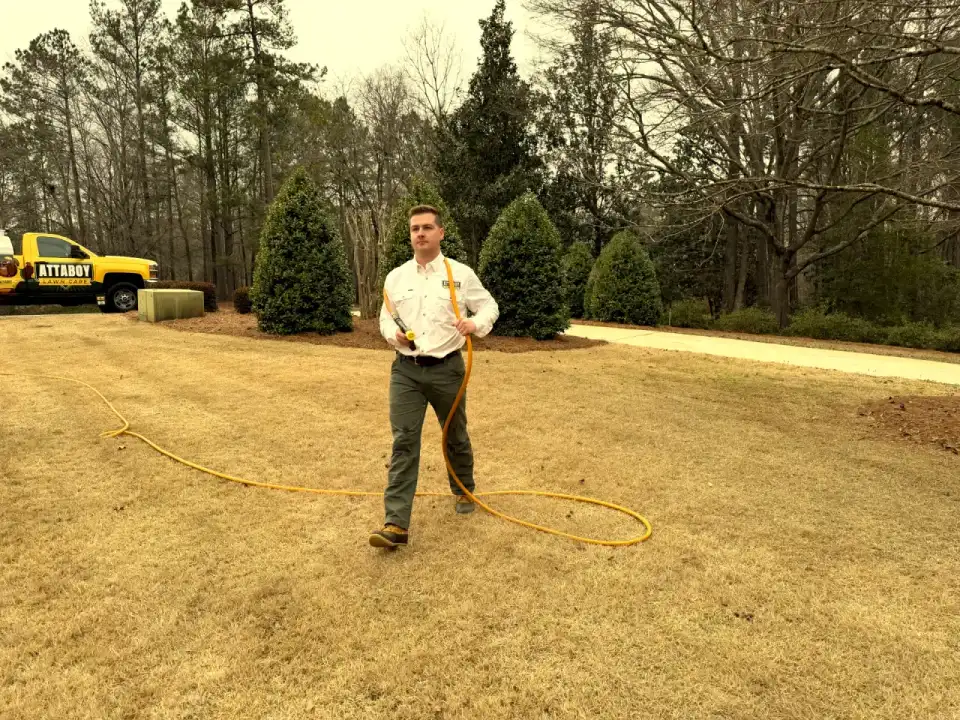
Bermuda Grass Soil Conditioning Guide for Georgia
Soil Conditioning recommendations specifically for bermuda grass lawns in Middle Georgia. Product safety, timing, and what to expect from professional treatment.
Grass-specific care
Why Bermuda Grass Needs Different Soil Conditioning
Bermuda Grass has unique characteristics that affect how soil conditioner should be applied. Bermuda grass is aggressive and tolerates most treatments well, but invasive spread into beds requires targeted management.
Getting the product, rate, and timing wrong doesn't just waste money. It can damage your lawn. We match every treatment to your specific grass type.
Quick profile
Bermuda Grass at a Glance
Mowing Height
1 to 1.5 inches
Water Needs
Moderate to high
Nitrogen Needs
Heavy feeder
Sun Requirement
Full sun (6+ hours)
Strengths
Extremely heat and drought tolerant
Recovers quickly from damage
Tolerates heavy foot traffic
Dense growth crowds out weeds when healthy
Vulnerabilities
Cannot grow in shade
Goes fully brown in winter dormancy
Requires frequent mowing during active growth
Invasive. Spreads into flower beds and sidewalk cracks
Our approach
Soil Conditioning for Bermuda Grass in Georgia
Middle Georgia’s clay soil compacts under bermuda’s aggressive root system, limiting nutrient uptake even when fertilization is on point. We apply soil amendments that correct pH toward the 6.0-6.5 range bermuda prefers, break up chemical compaction, and improve the soil’s ability to deliver the high nitrogen load bermuda needs.
Treatment timing
When to Apply Soil Conditioning to Bermuda Grass
Spring
Lime or sulfur based on soil test results. Address pH before peak feeding season.
Summer
Humic acid or biochar to improve nutrient exchange in the root zone.
Fall
Second pH correction if needed. Prepare soil structure for winter dormancy.
Winter
Soil testing window. Plan spring amendments based on current pH and nutrient levels.
Results timeline
What to Expect After Treatment
Soil pH begins shifting within 4-6 weeks of lime application
Fertilizer response improves as nutrient lockout decreases
Bermuda color and density improve as roots access more nutrients
Water absorption improves in compacted clay areas over 2-3 months
Full soil profile improvement visible within one growing season
Why Attaboy
Why Trust Attaboy for Bermuda Grass Soil Conditioning
Common questions
Bermuda Grass Soil Conditioning Questions
Why does bermuda need soil conditioning in clay soil?
Bermuda is a heavy feeder, but clay soil locks up nitrogen, iron, and phosphorus at low pH. You can fertilize perfectly and still see pale, thin grass if the soil can’t deliver those nutrients to the roots. Soil conditioning fixes the delivery system so your fertilizer investment actually pays off.
How do I know if my bermuda lawn needs soil conditioning?
If your bermuda looks pale or thin despite regular fertilization, the soil is likely the bottleneck. A soil test confirms the pH and nutrient levels. Most untreated Middle Georgia clay runs below 5.5 pH, which locks out key nutrients bermuda needs to thrive.
Does soil conditioning replace aeration for bermuda?
They solve different problems. Aeration relieves physical compaction by pulling soil plugs. Soil conditioning addresses chemical imbalances like low pH and poor nutrient availability. Bermuda lawns on heavy clay often benefit from both, especially in the first year of professional treatment.
What does soil conditioning do?
It corrects soil pH, reduces compaction, and improves the soil’s ability to deliver nutrients to grass roots. Think of it as fixing the foundation your lawn grows in.
Why do I need soil conditioning in Georgia?
Middle Georgia soil is dense clay that runs acidic. Even if you fertilize perfectly, acidic compacted soil blocks nutrient uptake. Conditioning fixes that.
Related guides
More Bermuda Grass Care Guides
Soil Conditioning for Other Grass Types
Get started
Professional Soil Conditioning for Bermuda Grass Lawns
No contracts, no hidden fees. Products matched to bermuda grass. First treatment within 24 hours.